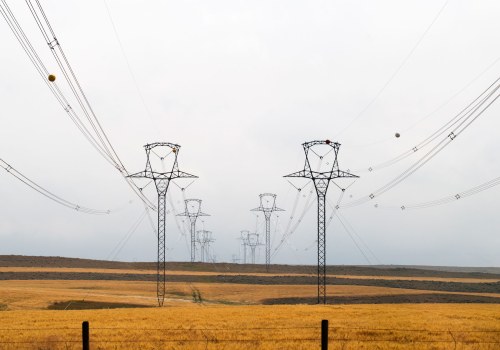
An electromagnetic pulse (EMP) is a burst of electromagnetic energy that can disrupt or damage electronic devices and electrical systems. These pulses can occur naturally, such as from solar flares or lightning strikes, or they can be man-made, often resulting from nuclear detonations or specialized EMP weapons. Understanding the nature of EMPs is crucial for recognizing their potential impact on modern technology and infrastructure. There are primarily two types of EMPs: natural and man-made. Natural EMPs, like those caused by solar storms, can generate significant disturbances in the Earth's magnetic field, leading to geomagnetic storms that may affect power grids and satellite communications.
On the other hand, man-made EMPs are typically associated with nuclear explosions at high altitudes, which release a burst of gamma rays that interact with the atmosphere to produce a powerful electromagnetic wave capable of affecting vast areas. The effects of an EMP can be devastating. When an electromagnetic pulse strikes, it induces high-voltage surges in electrical circuits, potentially frying sensitive electronics and causing widespread outages. Critical infrastructure such as power plants, communication networks, and transportation systems can be severely compromised. The aftermath of an EMP event could lead to prolonged disruptions in daily life, affecting everything from banking systems to emergency services. As our reliance on technology continues to grow, the threat posed by electromagnetic pulses becomes increasingly significant.
Understanding the different types of EMPs and their potential effects is essential for developing effective strategies to protect against these disruptive forces. This foundational knowledge sets the stage for exploring various protective measures and technologies designed to mitigate the risks associated with EMP attacks.
The Science Behind Electromagnetic Pulses
To understand the implications of electromagnetic pulses (EMPs), it is essential to grasp the scientific principles that govern their generation and interaction with electronic systems. An EMP is a burst of electromagnetic radiation that can disrupt or damage electronic devices and electrical systems. This phenomenon can occur naturally, such as during solar flares, or be artificially generated through nuclear detonations or specialized non-nuclear devices. At its core, an EMP is produced when a rapid change in electric current creates a sudden release of energy in the form of electromagnetic waves.This can be explained through Faraday's law of electromagnetic induction , which states that a changing magnetic field within a closed loop induces an electromotive force (EMF) in the wire. When an EMP occurs, it generates a powerful magnetic field that can induce high-voltage surges in nearby conductive materials, leading to potential damage to electronic circuits. There are three primary components of an EMP: the E1, E2, and E3 pulses. The E1 pulse is a fast, high-intensity burst that lasts only nanoseconds but can induce significant voltage spikes in electronic devices. The E2 pulse follows, resembling lightning strikes in its duration and effects, while the E3 pulse is slower and can last for several seconds, similar to geomagnetic storms caused by solar activity.
Each of these components poses unique threats to electronic systems. The interaction between EMPs and electronic systems is complex. When an EMP strikes, it generates a wide spectrum of electromagnetic radiation that can couple with electrical circuits. This coupling can lead to voltage surges that exceed the tolerance levels of most consumer electronics, potentially causing irreversible damage. For instance, microprocessors and integrated circuits are particularly vulnerable due to their sensitive nature and small size. Understanding how electromagnetic radiation interacts with various materials is crucial for developing effective protective measures.
Conductive materials can act as shields against EMPs by redirecting the energy away from sensitive components. This principle is the foundation for technologies like Faraday cages , which are designed to block external electromagnetic fields and protect the contents within. In summary, comprehending the science behind EMPs not only highlights their potential dangers but also underscores the importance of implementing protective strategies. As technology continues to advance, safeguarding our electronic infrastructure from these disruptive forces becomes increasingly critical.
Potential Threats Posed by EMP Attacks
Electromagnetic pulse (EMP) attacks pose a significant threat to modern society, with the potential to disrupt critical infrastructure and cause widespread chaos. Understanding the various scenarios in which these attacks could occur is essential for developing effective protective measures.EMP Attack Scenarios
EMP attacks can be executed through several means, including:-
Nuclear Detonation: A high-altitude nuclear explosion can generate a powerful EMP that affects a vast area, potentially impacting entire regions or even countries.
The electromagnetic energy released can disable electrical grids, communication systems, and electronic devices.
- Non-Nuclear EMP Weapons: These weapons are designed to produce an EMP without the destructive force of a nuclear explosion. They can be deployed in localized attacks, targeting specific facilities or infrastructure.
- Solar Flares: While not man-made, solar flares can also create natural EMP events. A significant solar storm could disrupt satellite communications and power grids, leading to similar consequences as a deliberate EMP attack.
Consequences of EMP Attacks
The aftermath of an EMP attack can be catastrophic:- Power Grid Failure: An EMP can cause widespread outages by damaging transformers and other critical components of the electrical grid. Recovery from such failures could take weeks or even months.
- Communication Breakdown: With the failure of communication networks, emergency services would struggle to coordinate responses, leading to confusion and panic among the population.
- Economic Disruption: The loss of electronic systems would halt financial transactions, disrupt supply chains, and lead to significant economic losses across various sectors.
- Public Safety Risks: The inability to access emergency services, coupled with potential civil unrest due to resource shortages, could pose serious risks to public safety.
Historical EMP Events
Historically, there have been instances that highlight the potential impact of EMPs:- The 1962 Starfish Prime Test: This high-altitude nuclear test conducted by the United States resulted in an EMP that damaged streetlights and caused electrical disruptions in Hawaii, over 800 miles away from the detonation site.
-
The Carrington Event (1859): A massive solar storm caused telegraph systems to fail and sparked fires in telegraph stations.
This event serves as a reminder of how natural EMPs can have profound effects on technology.
Faraday Cages: The First Line of Defense
A Faraday cage is a crucial component in the defense against electromagnetic pulses (EMPs). Named after the renowned scientist Michael Faraday, this enclosure is designed to block external electric fields and protect sensitive electronic devices from the damaging effects of electromagnetic radiation. Essentially, a Faraday cage acts as a shield, redirecting electromagnetic energy away from its interior. So, how do is a crucial component in the defense against electromagnetic pulses (EMPs). Named after the renowned scientist Michael Faraday, this enclosure is designed to block external electric fields and protect sensitive electronic devices from the damaging effects of electromagnetic radiation. Essentially, a Faraday cage acts as a shield, redirecting electromagnetic energy away from its interior. So, how do Faraday cages work? The principle behind their functionality lies in the conductive materials used in their construction.When an external electromagnetic field interacts with the cage, the conductive material redistributes the electric charge across its surface. This redistribution creates an opposing electric field that cancels out the incoming electromagnetic waves, ensuring that no harmful energy penetrates the enclosure. As a result, any electronic devices housed within remain safe from potential damage caused by EMPs or other forms of electromagnetic interference. Building a Faraday cage can be a straightforward process, and it can be tailored to fit various needs and budgets. Here are some essential steps to consider when constructing your own:
-
Choose Your Materials: Select conductive materials such as metal mesh, aluminum foil, or copper sheets.
The choice of material will depend on the level of protection you require and your budget.
- Design Your Cage: Determine the size and shape of your Faraday cage based on what you intend to protect. It can be as simple as a small box for electronics or a larger enclosure for more significant assets.
- Construct the Enclosure: Assemble your chosen materials to create a fully enclosed structure. Ensure that there are no gaps or openings that could allow electromagnetic waves to enter.
- Grounding (Optional): While not always necessary, grounding your Faraday cage can enhance its effectiveness by providing a path for excess charge to dissipate safely.
- Test Your Cage: After construction, it’s wise to test your Faraday cage with a simple radio or cell phone. Place the device inside and check if it loses signal; if it does, your cage is functioning correctly.
By following these steps to build your own Faraday cage, you can create an effective barrier against electromagnetic interference and ensure that your valuable electronics remain protected.
Advanced Electromagnetic Shielding Techniques
When it comes to protecting against electromagnetic pulses (EMPs), traditional methods like Faraday cages are just the beginning. Advanced electromagnetic shielding techniques have emerged, utilizing a variety of materials and innovative technologies to enhance protection against these potentially devastating events.Electromagnetic Shielding Materials
One of the most critical aspects of effective shielding is the choice of materials. Various substances can be employed to create barriers against electromagnetic interference (EMI) and EMPs:- Metal Foils: Aluminum and copper foils are commonly used due to their excellent conductivity. These materials can be layered to increase shielding effectiveness, making them ideal for both DIY projects and professional applications.
-
Conductive Fabrics: These textiles are woven with conductive fibers, allowing them to block electromagnetic waves while remaining flexible and lightweight.
They are particularly useful for clothing and portable shielding solutions.
- Composite Materials: Combining metals with polymers or other non-conductive materials can yield lightweight yet effective shielding solutions. These composites can be tailored for specific applications, such as aerospace or automotive industries.
Conductive Paint for Shielding
Another innovative approach to electromagnetic shielding is the use of conductive paint. This type of paint contains metallic particles that allow it to conduct electricity, providing a convenient way to shield surfaces without the need for bulky materials. Here are some advantages of using conductive paint:- Ease of Application: Conductive paint can be easily applied to various surfaces, including walls, ceilings, and electronic enclosures, making it a versatile option for both residential and commercial settings.
- Aesthetic Flexibility: Unlike traditional metal shields, conductive paint can be colored and textured to match existing decor, allowing for seamless integration into any environment.
- Cost-Effectiveness: Compared to installing physical barriers, using conductive paint can be a more affordable solution for achieving electromagnetic shielding.
Advanced Shielding Technologies
The field of electromagnetic shielding is continually evolving, with new technologies emerging that offer enhanced protection:-
Active Shielding Systems: These systems use sensors and electronic components to detect incoming electromagnetic waves and generate opposing signals that cancel out the interference.
This technology is particularly useful in sensitive environments like data centers.
- Metamaterials: Engineered materials designed to manipulate electromagnetic waves in unconventional ways are being researched for their potential in advanced shielding applications. Metamaterials can provide superior performance in specific frequency ranges.
- Hybrid Solutions: Combining multiple shielding techniques—such as conductive paints with traditional barriers—can create a more robust defense against EMPs and other forms of electromagnetic interference.
Protecting Critical Infrastructure from EMP Threats
As the threat of electromagnetic pulse (EMP) attacks looms larger in the modern world, protecting critical infrastructure has become a paramount concern for governments and organizations alike. EMPs can disrupt or destroy electronic systems, leading to catastrophic failures in essential services such as power grids, communication networks, and transportation systems.To mitigate these risks, various guidelines and best practices have been developed to enhance the resilience of critical infrastructure against EMP threats.
Government Guidelines on EMP Protection
- The National Cybersecurity and Communications Integration Center (NCCIC) has issued comprehensive guidelines aimed at helping federal, state, and local officials safeguard critical infrastructure from EMP threats. These guidelines emphasize the importance of risk assessment, identifying vulnerabilities, and implementing protective measures.
- One key recommendation is the establishment of Faraday cages around sensitive electronic equipment. These enclosures can effectively shield devices from external electromagnetic fields, ensuring their functionality during an EMP event.
- Additionally, the guidelines advocate for regular training and drills to prepare personnel for potential EMP scenarios. This proactive approach ensures that staff are familiar with emergency protocols and can respond swiftly to minimize damage.
Securing Critical Systems from EMPs
Organizations must adopt a multi-layered strategy to secure their critical systems from EMPs.
This includes:
- Conducting Vulnerability Assessments: Regularly evaluate the resilience of existing infrastructure against EMP threats. Identify weak points that could be targeted during an attack.
- Implementing Shielding Solutions: Beyond Faraday cages, consider using conductive materials in building designs or retrofitting existing structures with EMP-resistant features.
- Developing Redundancy Plans: Establish backup systems and alternative communication methods to ensure continuity of operations in the event of an EMP attack.
- Collaborating with Experts: Engage with cybersecurity professionals and engineers who specialize in EMP protection to develop tailored solutions for specific infrastructure needs.
Personal Preparedness Against EMP Attacks
Preparing for an electromagnetic pulse (EMP) attack requires a proactive approach to ensure personal safety and the protection of essential resources. Here are several key strategies individuals can implement to enhance their preparedness.Emergency Kits for EMP Scenarios
One of the most critical steps in preparing for an EMP event is assembling a comprehensive emergency kit.This kit should include:
- Non-perishable food: Stock up on canned goods, dried fruits, nuts, and other items that do not require refrigeration.
- Water supply: Aim for at least one gallon of water per person per day for at least three days. Consider water purification tablets or filters.
- First aid supplies: Include bandages, antiseptics, pain relievers, and any necessary prescription medications.
- Flashlights and batteries: Since an EMP could disable electrical grids, having reliable light sources is essential.
- Multi-tool or knife: A versatile tool can be invaluable in various situations.
- Emergency blankets: These lightweight blankets can help retain body heat in cold conditions.
- Portable phone charger: While communication may be disrupted, having a solar-powered charger can help keep devices operational if they are not damaged by the pulse.
Communication Plans
Establishing a communication plan is vital in the event of an EMP attack. Consider the following:- Create a contact list: Compile a list of family members and friends with their contact information. Ensure everyone knows how to reach each other in case of an emergency.
- Designate meeting points: Choose safe locations where family members can gather if communication fails.
- Use alternative communication methods: Invest in two-way radios or walkie-talkies that do not rely on traditional cellular networks.
Personal Safety Measures
Your personal safety during an EMP event is paramount.Here are some measures to consider:
- Stay informed: Keep a battery-operated or hand-crank radio to receive updates on the situation.
- Avoid panic buying: In the aftermath of an EMP attack, there may be a rush for supplies. Having your emergency kit ready will prevent last-minute scrambles.
- Secure your home: Reinforce doors and windows to protect against potential looting or vandalism that may occur during chaos.
The Role of Technology in Mitigating EMP Risks
As the threat of electromagnetic pulse (EMP) attacks looms larger in our increasingly digital world, the role of technology in mitigating these risks becomes paramount. Emerging technologies not only provide innovative solutions for EMP protection but also enhance overall resilience against various forms of cyber threats.Technology Solutions for EMP Protection
One of the most effective methods for shielding sensitive electronic equipment from EMP effects is the use of Faraday cages. These enclosures, constructed from conductive materials, create a barrier that prevents electromagnetic fields from penetrating and damaging the devices inside.However, advancements in technology have led to the development of more sophisticated shielding solutions:
- Conductive Coatings: Innovative conductive paints and coatings can be applied to walls, ceilings, and even electronic devices to provide a protective layer against EMPs. These coatings not only shield against electromagnetic interference but also help dissipate heat, ensuring that devices remain operational during extreme conditions.
- Smart Grid Technologies: The integration of smart grid technologies can enhance the resilience of electrical infrastructure against EMP attacks. By incorporating real-time monitoring and automated response systems, utilities can quickly isolate affected areas and reroute power, minimizing disruption.
- Portable EMP Shields: For individuals and organizations looking for mobile solutions, portable EMP shields are becoming increasingly popular. These lightweight, easy-to-deploy enclosures can protect critical devices during travel or in temporary setups.
Cybersecurity Measures Against EMP Attacks
The intersection of cybersecurity and EMP protection is crucial.As digital systems become more interconnected, the potential for cyberattacks that exploit vulnerabilities during an EMP event increases. Organizations must adopt comprehensive cybersecurity strategies that include:
- Data Encryption: Encrypting sensitive data ensures that even if systems are compromised during an EMP attack, unauthorized access to critical information is prevented.
- Regular Security Audits: Conducting frequent security assessments helps identify weaknesses in both physical and digital infrastructures, allowing organizations to fortify their defenses against potential threats.
- Employee Training: Educating staff about the risks associated with EMPs and cyber threats fosters a culture of security awareness, empowering employees to recognize and respond to potential vulnerabilities.
The Future of EMP Defense Technologies
The future holds promising advancements in technologies aimed at defending against EMP threats. Research into advanced materials for shielding, such as metamaterials that can manipulate electromagnetic waves more effectively than traditional materials, is underway. Additionally, innovations in quantum computing may lead to breakthroughs in encryption methods that are inherently resistant to disruptions caused by EMPs. As we continue to navigate an era defined by technological advancement, it is essential to remain vigilant and proactive in our approach to protecting against electromagnetic pulse attacks.By leveraging emerging technologies and adopting robust cybersecurity measures, we can significantly enhance our resilience against these potentially devastating threats.
Frequently Asked Questions About Electromagnetic Pulses and Protection Strategies
As the threat of electromagnetic pulses (EMPs) becomes more widely recognized, many individuals and organizations have questions about what EMPs are, how they can affect us, and what strategies exist for protection. Below are some frequently asked questions that address these concerns.What is an Electromagnetic Pulse?
An electromagnetic pulse is a burst of electromagnetic energy that can disrupt or damage electronic devices and electrical systems. EMPs can be caused by natural phenomena, such as solar flares, or by man-made events, including nuclear explosions. The intensity and duration of an EMP can vary significantly, affecting everything from small electronics to large power grids.How Can I Protect My Electronics from an EMP?
One of the most effective methods for protecting electronics from an EMP is to use a Faraday cage.This enclosure, made from conductive materials like metal mesh or aluminum foil, can block external electromagnetic fields. Here are some steps to create your own Faraday cage:
- Choose a conductive material that can completely enclose your devices.
- Ensure there are no gaps or openings in the cage.
- Ground the cage if possible to provide an additional layer of protection.
Are There Myths About EMPs?
Yes, several myths surround electromagnetic pulses. One common misconception is that all electronics will be destroyed by an EMP. While many devices may be affected, not all will be rendered useless.Devices that are turned off and stored in a properly constructed Faraday cage may remain functional after an EMP event. Another myth is that EMPs only result from nuclear explosions. In reality, solar flares and other natural events can also produce significant EMP effects. Understanding these nuances is crucial for effective preparedness.
What Should Organizations Do to Prepare for EMP Threats?
Organizations should conduct risk assessments to identify critical infrastructure that could be vulnerable to EMP attacks. Implementing protective measures such as installing surge protectors, creating secure data storage environments, and training staff on emergency protocols can significantly enhance resilience against potential EMP threats. In conclusion, being informed about electromagnetic pulses, their effects, and protective strategies is essential for safeguarding both personal and organizational assets.By addressing common questions and misconceptions, individuals can better prepare for the challenges posed by EMPs.
Conclusion: The Importance of Preparedness Against EMP Attacks
In summary, the threat posed by electromagnetic pulse (EMP) attacks is significant and multifaceted, affecting not only individual devices but also critical infrastructure and national security. As we have explored throughout this article, the potential for an EMP event—whether from a natural source like a solar flare or a man-made attack—necessitates a proactive approach to preparedness. Understanding the mechanics of EMPs and their potential impact is the first step in safeguarding our technology-dependent society. The use of Faraday cages and other shielding technologies can provide essential protection for sensitive electronics, ensuring that vital systems remain operational in the event of an EMP. These protective measures are not merely theoretical; they are practical solutions that can be implemented by both individuals and organizations. Moreover, the integration of EMP technology into our security protocols can extend beyond just shielding against electromagnetic disturbances.By creating secure environments for data storage and transmission, we can mitigate risks associated with cyberattacks that may exploit vulnerabilities exposed by an EMP event. This dual-layered approach enhances our overall resilience against a range of threats. As we move forward, it is crucial to foster a culture of preparedness. This involves not only investing in protective technologies but also educating ourselves and our communities about the risks associated with EMPs. Regular drills, awareness campaigns, and collaboration with local authorities can help ensure that we are ready to respond effectively should an EMP event occur. In conclusion, the importance of being prepared against electromagnetic pulse attacks cannot be overstated.
By taking proactive steps to protect our electronic infrastructure and fostering a community-wide commitment to preparedness, we can significantly reduce the potential impact of such events. The time to act is now—let us prioritize our safety and security in an increasingly unpredictable world.