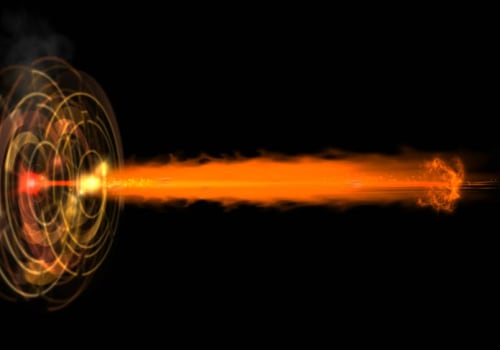
Electromagnetic pulses, commonly referred to as EMPs, are intense bursts of electromagnetic energy that can disrupt or damage electronic devices and systems. These pulses can arise from various sources, both natural and man-made, and understanding their nature is crucial for safeguarding our technology-dependent society. An EMP can be defined as a rapid increase in electromagnetic radiation that can induce damaging electrical currents in conductive materials, leading to potential failures in electronic circuits. There are primarily two types of EMPs: nuclear and non-nuclear. Nuclear EMPs are generated by the detonation of a nuclear weapon at high altitudes, creating a wide-reaching electromagnetic wave that can affect vast geographical areas.
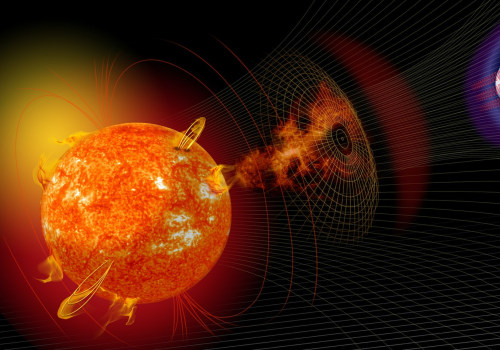
In contrast, non-nuclear EMPs can result from solar flares, lightning strikes, or even specialized weapons designed to produce localized electromagnetic interference. Each type poses unique risks and challenges, making it essential to understand their characteristics and potential impacts. The causes of EMPs are diverse. Natural phenomena such as coronal mass ejections (CMEs) from the sun can unleash powerful bursts of solar wind that interact with the Earth's magnetic field, generating electromagnetic disturbances. On the other hand, human activities—ranging from military operations to industrial accidents—can also create EMPs.
For instance, a sudden discharge of electricity during a storm or an intentional attack using an EMP weapon can lead to significant disruptions in electronic systems. As our reliance on technology continues to grow, the threat posed by electromagnetic pulses becomes increasingly relevant. Understanding what an EMP is, the different types it encompasses, and its various causes is vital for developing effective strategies to protect our electronics from its potentially devastating effects.
The Impact of EMP on Electronics
Electromagnetic pulses (EMP) can have devastating effects on electronic devices and critical infrastructure. Understanding how these pulses interact with technology is essential for developing effective protection strategies. An EMP can disrupt or destroy electronic circuits, leading to a range of operational failures. When an EMP occurs, it generates a sudden surge of electromagnetic energy that can induce high-voltage currents in conductive materials.This phenomenon primarily affects devices that rely on microelectronics, such as computers, smartphones, and communication systems. The damage can manifest in several ways:
- Overvoltage: The intense electromagnetic field can induce voltages far beyond what electronic components are designed to handle. This overvoltage can cause immediate failure of sensitive components, such as microprocessors and integrated circuits.
- Data Corruption: EMPs can disrupt the normal functioning of data storage devices, leading to corruption or loss of critical information. Hard drives and solid-state drives are particularly vulnerable to these disruptions.
- Physical Damage: In some cases, the energy from an EMP can cause physical damage to circuit boards and other components, resulting in permanent failure.
For instance, during the 1962 Starfish Prime nuclear test, an EMP was generated that affected electrical systems across a wide area in Hawaii, causing streetlights to fail and damaging numerous electronic devices. Similarly, a solar storm in 1989 caused a geomagnetic storm that resulted in widespread power outages in Quebec, Canada, demonstrating how natural EMP-like events can disrupt modern infrastructure. In addition to these historical examples, the threat of intentional EMP attacks has been highlighted by various military and governmental agencies. Such attacks could target critical infrastructure, including power grids and communication networks, potentially leading to catastrophic failures that would take significant time and resources to repair. In summary, the impact of an electromagnetic pulse on electronics is profound and multifaceted. From immediate device failure due to overvoltage to long-term data loss and infrastructure disruption, the risks associated with EMPs necessitate proactive measures for protection and preparedness.
Types of Electromagnetic Pulses
Understanding the different types of electromagnetic pulses (EMPs) is crucial for assessing potential risks to electronic devices and infrastructure.EMPs can be categorized based on their sources and characteristics, primarily into high-altitude electromagnetic pulses (HEMP), solar flares, and both nuclear and non-nuclear EMPs.
High-Altitude Electromagnetic Pulse (HEMP)
A high-altitude electromagnetic pulse (HEMP) is generated by a nuclear explosion detonated at a significant altitude, typically above 30 kilometers. The explosion releases gamma rays that interact with the Earth's atmosphere, producing a burst of electromagnetic energy that can cover vast areas. The effects of HEMP can be devastating, potentially damaging or destroying electronic systems over hundreds of miles. This type of EMP is particularly concerning because it can incapacitate critical infrastructure, including power grids, communication systems, and transportation networks.Solar Flares
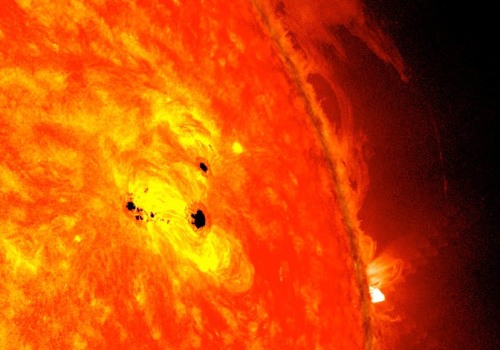
Solar flares are another natural source of electromagnetic pulses.These eruptions on the sun's surface release massive amounts of energy, including electromagnetic radiation. When directed towards Earth, solar flares can cause geomagnetic storms that disrupt satellite communications, GPS systems, and even power grids. The intensity of these storms varies; while some may only cause minor disruptions, others can lead to widespread outages and damage to electrical systems.
Nuclear EMP
Nuclear EMPs are specifically associated with nuclear detonations. Unlike HEMP, which occurs at high altitudes, nuclear EMPs can also occur at lower altitudes depending on the explosion's location.The immediate effects include a rapid surge of electromagnetic energy that can induce damaging currents in electrical circuits. This type of EMP poses a significant threat not only to military assets but also to civilian infrastructure.
Non-Nuclear EMP
Non-nuclear EMPs are generated through conventional explosives or specialized devices designed to create an electromagnetic pulse without nuclear reactions. These devices can be used in military applications or as part of terrorist attacks. While the range and impact of non-nuclear EMPs are generally less extensive than their nuclear counterparts, they still pose a serious risk to localized electronic systems. In summary, recognizing the various types of electromagnetic pulses—including HEMP, solar flares, nuclear EMPs, and non-nuclear EMPs—enables individuals and organizations to better prepare for potential threats.Each type has unique characteristics and implications for electronic devices and infrastructure, making it essential to understand their differences when developing protection strategies.
How to Protect Your Electronics from EMP
Protecting your electronics from the devastating effects of an electromagnetic pulse (EMP) is crucial in today’s technology-driven world. An EMP can disrupt or destroy electronic devices, making it essential to implement effective protection strategies. Below are several methods to safeguard your electronics.Utilizing a Faraday Cage
A Faraday cageFaraday cage is one of the most effective ways to shield your electronics from EMPs. This enclosure, made of conductive materials, works by redistributing electromagnetic energy around the exterior, preventing it from penetrating the interior space.Here’s how to create and use a Faraday cage:
- Choose the Right Material: Use materials like aluminum foil, copper mesh, or galvanized steel. Ensure that the material is thick enough to provide adequate shielding.
- Constructing the Cage: Build a box or container that completely encloses your devices. Make sure there are no gaps or holes, as these can allow electromagnetic waves to enter.
- Grounding: While grounding is not always necessary, connecting your Faraday cage to the ground can enhance its effectiveness by providing a path for excess charge to dissipate.
- Testing: After constructing your Faraday cage, test its effectiveness by placing a battery-operated radio inside and closing it. If you cannot receive any signals, your cage is likely functioning properly.
Other EMP Protection Methods
In addition to using a Faraday cage, consider these alternative methods for protecting your electronics:-
Surge Protectors: Invest in high-quality surge protectors that can absorb voltage spikes caused by EMPs.
Look for models specifically designed for EMP protection.
- Shielded Cables: Use shielded cables for all electronic connections. These cables have built-in protection against electromagnetic interference.
- Backup Systems: Maintain backup systems for critical electronics. This could include spare devices stored in a Faraday cage or offline backups of important data.
- Avoiding Wireless Connections: When possible, use wired connections instead of wireless ones, as wireless devices are more susceptible to EMP effects.
Building a Faraday Cage: Step-by-Step Guide
Constructing a Faraday cage is a practical and effective way to protect your electronics from the damaging effects of an electromagnetic pulse (EMP).This guide will walk you through the necessary materials, design considerations, and step-by-step instructions to create a reliable Faraday cage.
Materials Needed
- Conductive Material: Copper mesh, aluminum foil, or galvanized steel sheets are excellent choices for the outer layer of your cage. These materials effectively block electromagnetic radiation.
- Insulating Material: Use non-conductive materials such as wood, plastic, or rubber to create a barrier between your electronics and the conductive layer.
- Fasteners: Depending on your design, you may need screws, bolts, or conductive tape to secure the materials together.
- Grounding Equipment: A grounding rod and wire can help dissipate any charge that may build up on the cage.
- Tools: Basic tools like scissors, a drill, and a screwdriver will be necessary for assembly.
Design Considerations
When designing your Faraday cage, consider the following:
- Size: Ensure that the cage is large enough to accommodate all the devices you wish to protect. Leave extra space for airflow and future additions.
- Shape: A box shape is common, but cylindrical or other shapes can also be effective. Just ensure that all sides are covered with conductive material.
-
Sealing: All seams and openings must be tightly sealed to prevent electromagnetic waves from entering.
Use conductive tape or soldering for secure connections.
Step-by-Step Instructions
- Select Your Location: Choose a dry area with enough space for your Faraday cage.
- Create the Frame: Construct a frame using wood or metal that will support your conductive material.
- Add Conductive Layer: Wrap the frame with your chosen conductive material, ensuring complete coverage without gaps.
- Add Insulation: Line the inside of the cage with insulating material to protect your devices from direct contact with the conductive layer.
- Secure Openings: If your design includes doors or access points, ensure they are also covered with conductive material and seal them properly.
- Ground Your Cage: Connect a grounding wire from the cage to a grounding rod in the ground to safely dissipate any charge.
- Test Your Cage: Before placing valuable electronics inside, test the effectiveness of your Faraday cage using a radio or cell phone. If it cannot receive signals inside the cage, it is functioning correctly.
Preparing for an EMP Event: A Comprehensive Plan
Preparing for an electromagnetic pulse (EMP) event requires a proactive approach that encompasses various aspects of emergency preparedness. A well-thought-out plan can significantly mitigate the risks associated with such an event, ensuring that you and your loved ones remain safe and connected.1.Develop an EMP Preparedness Plan
- Assess Vulnerabilities: Begin by identifying the electronic devices and systems that are critical to your daily life. This includes communication devices, medical equipment, and essential appliances.
-
Create a Communication Strategy: In the event of an EMP, traditional communication methods may fail.
Establish alternative communication plans with family and friends, such as designated meeting points or using two-way radios that are stored in a Faraday cage.
- Establish Roles: Assign specific roles to family members in case of an EMP event. This could include gathering emergency supplies, monitoring news updates via battery-operated radios, or checking on neighbors.
2.Assemble an Emergency Kit for EMP Events
Your emergency kit should be tailored to address the unique challenges posed by an EMP. Consider including the following items:
- Non-Electric Tools: Stock up on manual tools for repairs and maintenance, as electric tools will likely be rendered useless.
- Food and Water Supplies: Store non-perishable food items and sufficient water to last at least two weeks. Consider freeze-dried meals and water purification tablets.
- First Aid Kit: Ensure your first aid kit is well-stocked with essential medical supplies, including medications, bandages, and antiseptics.
-
Batteries and Solar Chargers: Keep a supply of batteries for flashlights and radios.
Solar chargers can be invaluable for powering small devices without relying on the grid.
3.Long-Term Survival Strategies
An EMP event may lead to prolonged disruptions in daily life. Here are some strategies to enhance your long-term survival:
- Learn Basic Survival Skills: Familiarize yourself with essential skills such as gardening, hunting, and foraging. These skills can help you sustain yourself if food supplies dwindle.
- Create a Community Network: Build relationships with neighbors and local community members. A strong support network can provide resources, information, and assistance during challenging times.
-
Stay Informed: Keep abreast of developments related to EMP threats through reliable sources.
Understanding potential risks can help you adapt your preparedness plan as needed.
Frequently Asked Questions about Electromagnetic Pulses (EMP)
Understanding electromagnetic pulses (EMP) can be challenging, especially with the various myths and misconceptions surrounding them. Below are some frequently asked questions that aim to clarify these doubts and provide a deeper insight into the nature and impact of EMPs.What exactly is an electromagnetic pulse?
An electromagnetic pulse is a burst of electromagnetic radiation that can disrupt or damage electronic devices and electrical systems. EMPs can occur naturally, such as from solar flares, or be generated by man-made sources, including nuclear explosions. The intensity and duration of an EMP can vary significantly, affecting its potential to cause damage.Are all electronic devices vulnerable to EMP?
While many electronic devices are susceptible to the effects of an EMP, the degree of vulnerability can differ based on several factors, including:- Device Design: Older devices with less shielding may be more at risk compared to modern electronics designed with better protection.
- Location: Devices located outdoors or in unshielded environments are more likely to be affected than those kept in protected areas.
- Type of EMP: The source and strength of the EMP play a crucial role in determining the level of damage.
Can an EMP affect non-electronic systems?
While electromagnetic pulses primarily target electronic systems, they can also indirectly impact non-electronic systems.For instance, power grids may experience failures due to damaged control systems, leading to widespread outages that affect water supply, transportation, and communication networks.
Is it true that a nuclear explosion is the only way to generate an EMP?
This is a common misconception. While nuclear detonations are a significant source of high-altitude electromagnetic pulses (HEMP), there are other ways to generate EMPs. Solar flares and coronal mass ejections (CMEs) from the sun can also produce powerful electromagnetic disturbances that affect Earth’s magnetic field.How can I protect my electronics from an EMP?
The most effective method for protecting electronics from an electromagnetic pulse is using a Faraday cage. This enclosure blocks external electromagnetic fields and prevents damaging currents from reaching sensitive devices.Additionally, keeping critical electronics unplugged during potential EMP events can further reduce risk.
Are there any government measures in place to protect against EMP?
Yes, various government agencies have recognized the threat posed by EMPs and have initiated measures to enhance national infrastructure resilience. This includes hardening critical systems against potential attacks and developing response strategies for natural occurrences like solar storms. By addressing these common questions about electromagnetic pulses, we hope to dispel myths and provide clarity on this important topic. Understanding the nature of EMPs is crucial for effective preparedness and protection strategies.Conclusion: Safeguarding Your Electronics Against Future Threats
In summary, the threat posed by electromagnetic pulses (EMP) is significant and cannot be overlooked. As we have explored throughout this article, the potential for both natural and man-made EMP events to disrupt our electronic devices and critical infrastructure is real.The consequences of such disruptions can range from minor inconveniences to catastrophic failures that affect entire communities. To effectively safeguard your electronics against these future threats, it is essential to take proactive measures. Implementing protective strategies, such as utilizing a Faraday cage , can significantly reduce the risk of damage from an EMP. These cages work by creating a barrier that redirects electromagnetic energy away from sensitive devices, ensuring their safety during an EMP event. Moreover, it is crucial to understand the various types of EMPs, including high-altitude electromagnetic pulses (HEMP) and those caused by solar activity. By being informed about these phenomena, individuals and organizations can better prepare for potential impacts.
Here are some key steps to consider:
- Assess Your Electronics: Identify which devices are critical for your daily operations and prioritize their protection.
- Invest in Shielding Solutions: Consider purchasing or building Faraday cages tailored to your specific needs.
- Stay Informed: Keep up with news regarding EMP threats and advancements in protective technologies.
- Develop a Response Plan: Create a strategy for how to respond in the event of an EMP attack or natural occurrence.