An electromagnetic pulse (EMP) is a sudden burst of electromagnetic energy that can disrupt or damage electronic devices and electrical systems. This phenomenon can occur due to various sources, both natural and artificial, and understanding its implications is crucial in our technology-driven world. The potential for an EMP to cause widespread disruption makes it a topic of significant concern for governments, industries, and individuals alike. There are primarily two types of EMPs: natural and man-made. Natural EMPs are typically caused by solar events, such as coronal mass ejections (CMEs), where the Sun releases a massive burst of solar wind and magnetic fields into space.
When these charged particles collide with the Earth’s magnetic field, they can induce currents that may damage electrical infrastructure. On the other hand, man-made EMPs are often associated with nuclear detonations at high altitudes, which create a powerful electromagnetic field capable of affecting vast areas. The significance of understanding electromagnetic pulses extends beyond mere academic interest; it has real-world implications for national security, emergency preparedness, and technological resilience. As society becomes increasingly reliant on electronic systems for communication, transportation, and essential services, the potential consequences of an EMP event become more pronounced. From crippling power grids to disabling communication networks, the effects can be catastrophic. In summary, an electromagnetic pulse represents a complex interplay of energy that can arise from both natural phenomena and human activities.
Recognizing the different types of EMPs and their potential impacts is essential for developing strategies to mitigate their effects and safeguard critical infrastructure in our modern society.
Types of Electromagnetic Pulses
Electromagnetic pulses (EMP) can be categorized into two primary types: natural and artificial. Understanding these distinctions is crucial for assessing the potential risks and impacts associated with each type.Natural Electromagnetic Pulses
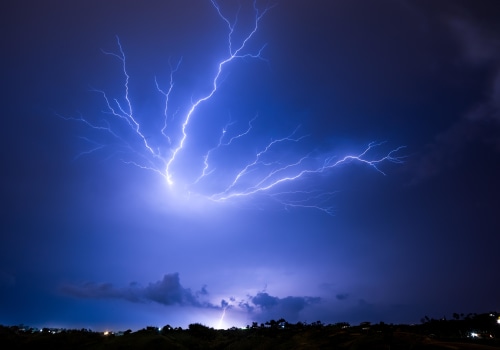
Natural EMPs occur due to phenomena that are part of the Earth's environment. The most common sources include:- Lightning Strikes: When lightning occurs, it generates a powerful electromagnetic field that can disrupt nearby electronic devices. The intensity of this pulse can vary based on the strength of the lightning strike.
-
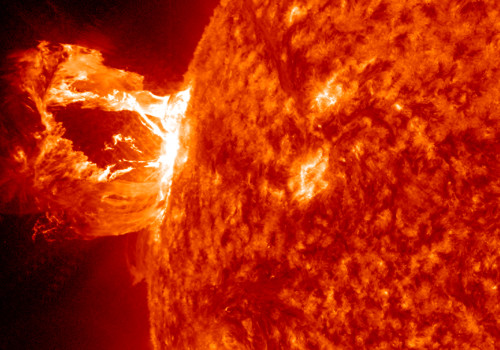
Coronal Mass Ejections (CMEs): These are large expulsions of plasma and magnetic field from the Sun's corona.
When directed towards Earth, CMEs can interact with the planet's magnetic field, creating geomagnetic storms that induce currents in electrical systems, potentially leading to widespread outages.
- Solar Flares: Similar to CMEs, solar flares release bursts of radiation that can affect satellite communications and power grids. The electromagnetic radiation from these flares can cause disruptions in radio signals and GPS systems.
Artificial Electromagnetic Pulses
Artificial EMPs are typically generated through human-made devices or weapons. The most notable examples include:- Nuclear Explosions: A nuclear detonation, especially at high altitudes, produces a high-altitude electromagnetic pulse (HEMP). This type of EMP can affect a vast area, potentially damaging electrical infrastructure over hundreds of miles.
-
Non-Nuclear EMP Weapons: These devices are designed to create an EMP effect without a nuclear explosion.
They can be used in military applications to disable enemy electronics without causing physical destruction to infrastructure.
High-Altitude Electromagnetic Pulses (HEMP)
High-altitude electromagnetic pulses are a specific subset of artificial EMPs that occur when a nuclear weapon is detonated at altitudes exceeding 30 kilometers (about 18 miles). The unique characteristics of HEMP include:- Wide Area Impact: HEMP can affect large geographical areas, potentially covering entire states or regions, depending on the altitude and yield of the explosion.
- Multiple Frequency Ranges: HEMP generates electromagnetic waves across various frequency ranges, which can induce damaging currents in electrical systems and components.
- Permanence of Damage: Unlike some natural EMPs that may cause temporary disruptions, HEMP can lead to permanent damage to critical infrastructure, including power grids and communication networks.
How Electromagnetic Pulses Are Generated
Electromagnetic pulses (EMP) can be generated through various mechanisms, each with distinct characteristics and implications. Understanding how these pulses are produced is essential for assessing their potential risks and impacts on modern infrastructure.Nuclear Detonations
One of the most significant sources of EMP is the detonation of a nuclear weapon.
When a nuclear explosion occurs, it releases a vast amount of energy in the form of gamma rays. These gamma rays interact with the atmosphere, particularly at high altitudes, leading to the ionization of air molecules. This process generates a burst of high-energy electrons, known as Compton electrons, which then create a powerful electromagnetic field. This phenomenon is referred to as a High-Altitude Electromagnetic Pulse (HEMP). HEMP can affect vast geographical areas, depending on the altitude of the explosion and the yield of the nuclear device.
The electromagnetic field produced can induce damaging currents in electrical systems, potentially crippling power grids and communication networks over hundreds or even thousands of miles.
Natural Phenomena
In addition to man-made sources, natural events can also generate electromagnetic pulses. One notable example is solar flares, which are massive bursts of radiation from the Sun's surface. When these flares occur, they can release charged particles that interact with the Earth's magnetic field, resulting in geomagnetic storms. These storms can induce currents in electrical systems on Earth, similar to those caused by HEMP.
Another natural source of EMP is coronal mass ejections (CMEs).
In addition to man-made sources, natural events can also generate electromagnetic pulses. One notable example is solar flares, which are massive bursts of radiation from the Sun's surface. When these flares occur, they can release charged particles that interact with the Earth's magnetic field, resulting in geomagnetic storms. These storms can induce currents in electrical systems on Earth, similar to those caused by HEMP.
Another natural source of EMP is coronal mass ejections (CMEs). , resulting in geomagnetic storms. These storms can induce currents in electrical systems on Earth, similar to those caused by HEMP.
Another natural source of EMP is coronal mass ejections (CMEs).
In addition to man-made sources, natural events can also generate electromagnetic pulses. One notable example is solar flares, which are massive bursts of radiation from the Sun's surface. When these flares occur, they can release charged particles that interact with the Earth's magnetic field, resulting in geomagnetic storms. These storms can induce currents in electrical systems on Earth, similar to those caused by HEMP.
Another natural source of EMP is coronal mass ejections (CMEs).
CMEs involve large expulsions of plasma and magnetic fields from the Sun's corona. When directed towards Earth, these ejections can disrupt satellite operations and cause voltage surges in power lines, leading to potential outages and equipment damage.
Other Sources
Besides nuclear detonations and solar activity, other less common sources of EMP include lightning strikes and electrostatic discharges. Lightning generates a powerful electromagnetic field that can affect nearby electronic devices and systems. Similarly, electrostatic discharges can produce localized EMP effects that may damage sensitive electronics.
In summary, understanding the various mechanisms behind electromagnetic pulse generation—whether through nuclear detonations or natural phenomena—is crucial for developing effective strategies to mitigate their impacts on critical infrastructure.
The Potential Dangers of Electromagnetic Pulses
Electromagnetic pulses (EMP) pose significant threats to modern society, primarily due to their ability to disrupt and damage critical infrastructure.The potential dangers of an EMP event can be categorized into several key areas, each with far-reaching implications.
1.Disruption of Power Grids
One of the most immediate effects of an EMP is the disruption of power grids. When an EMP occurs, it generates a powerful electromagnetic field that can induce high voltages in electrical systems. This can lead to:
- Widespread Blackouts: An EMP can cause cascading failures in power systems, leading to blackouts that may last from hours to weeks, depending on the severity of the event and the resilience of the infrastructure.
- Permanent Damage: Critical components such as transformers and circuit breakers may suffer irreversible damage, necessitating extensive repairs or replacements that could take months or even years.
2.Communication System Failures
The impact of an EMP extends beyond power generation; it also severely affects communication networks. The reliance on electronic devices for communication means that:
- Loss of Connectivity: An EMP can disable cell towers, satellite communications, and internet services, leading to a complete breakdown in communication.
-
Emergency Response Challenges: First responders rely on communication systems to coordinate efforts during crises.
An EMP-induced failure could hinder emergency response, exacerbating the situation.
3.Effects on Transportation Systems
The transportation sector is not immune to the effects of an EMP. Modern vehicles and traffic management systems depend heavily on electronic components. Consequently:
- Disruption of Traffic Control: Traffic lights and control systems may fail, leading to chaos on the roads and increased risk of accidents.
- Impact on Public Transport: Buses and trains equipped with electronic controls may become inoperable, stranding passengers and disrupting daily commutes.
4.Economic Consequences
The economic ramifications of an EMP event can be profound. The costs associated with repairing damaged infrastructure, coupled with lost productivity during outages, can lead to:
- Long-term Financial Strain: Businesses may face significant losses due to operational downtime, while governments may incur high costs for recovery efforts.
- Market Instability: A widespread EMP event could lead to panic in financial markets, affecting investments and economic stability.
From crippling power grids and communication systems to causing severe economic repercussions, the potential impact of an EMP event underscores the need for robust protective measures and preparedness strategies across all sectors of society.
Historical Examples of Electromagnetic Pulse Events
Understanding the historical context of electromagnetic pulse (EMP) events is crucial for grasping their potential impact on modern society. Several notable incidents have occurred throughout history, providing valuable lessons on the vulnerabilities of our technological infrastructure. One of the most significant examples of an EMP event occurred during the Starfish Prime nuclear test in 1962. Conducted by the United States, this high-altitude nuclear explosion took place approximately 250 miles above the Pacific Ocean. The resulting electromagnetic pulse affected electrical systems across a wide area, including parts of Hawaii, where streetlights failed, and telephone systems were disrupted. This incident highlighted how a single nuclear detonation could have far-reaching consequences on electrical grids and communication networks. Another historical example is the 1976 incident involving a solar storm that caused a geomagnetic disturbance.This event led to widespread power outages in Quebec, Canada, affecting millions of residents. The storm induced currents in power lines, damaging transformers and causing significant disruptions. This incident serves as a reminder that natural electromagnetic pulses, such as those from solar activity, can be just as damaging as man-made events. The 2003 solar storm, known as the Halloween Storms, further illustrates the potential dangers of EMPs. During this period, a series of coronal mass ejections (CMEs) struck Earth, leading to disruptions in satellite communications and power systems across North America and Europe.
The event prompted utilities to take precautionary measures to protect their infrastructure from future solar-induced EMPs. These historical incidents underscore the importance of preparedness and resilience in the face of potential electromagnetic pulse threats. Lessons learned from past events can inform current strategies for safeguarding critical infrastructure. For instance:
- Infrastructure Hardening: Implementing protective measures for power grids and communication systems can mitigate damage from both natural and man-made EMPs.
- Public Awareness: Educating communities about the risks associated with EMPs can foster a culture of preparedness.
- Research and Development: Investing in technology that can withstand EMP effects is essential for maintaining operational continuity during such events.
Mitigation Strategies for Protecting Against EMP Effects
To effectively mitigate the risks associated with electromagnetic pulses (EMP), it is crucial to implement a multi-faceted approach that encompasses both technological solutions and policy recommendations. These strategies aim to enhance the resilience of critical infrastructure against the potentially devastating effects of EMPs.Technological Solutions
One of the primary methods for protecting against EMP effects is through the hardening of electrical and electronic systems.This can be achieved by:
- Shielding: Utilizing conductive materials to create a protective barrier around sensitive equipment can significantly reduce the impact of an EMP. Faraday cages, for instance, are effective in blocking electromagnetic fields and can be used for both small devices and larger installations.
- Surge Protection: Installing surge protectors and filters can help safeguard electrical systems from voltage spikes caused by EMPs. These devices can absorb excess energy and prevent it from damaging critical components.
- Redundancy: Building redundancy into systems ensures that if one component fails due to an EMP, others can take over its function. This includes having backup power sources, such as generators or battery systems, that are also EMP-hardened.
- Regular Maintenance: Conducting routine checks and updates on existing infrastructure can help identify vulnerabilities and ensure that protective measures are functioning correctly.
Policy Recommendations
In addition to technological measures, policy initiatives play a vital role in enhancing EMP resilience:-
National Standards: Governments should establish national standards for EMP protection across critical sectors, including energy, telecommunications, and transportation.
These standards would guide organizations in implementing necessary protective measures.
- Public Awareness Campaigns: Educating the public about the risks associated with EMPs and promoting preparedness can foster a culture of resilience. This includes encouraging individuals and businesses to develop their own contingency plans.
- Investment in Research: Funding research into new technologies and methods for EMP protection can lead to innovative solutions that enhance infrastructure resilience. Collaboration between government agencies, private sector entities, and academic institutions is essential for advancing this field.
Preparing for an Electromagnetic Pulse Event
Preparing for an electromagnetic pulse (EMP) event requires a proactive approach that encompasses both individual and community readiness.Understanding the potential impact of an EMP is crucial, as it can disrupt electrical systems, communication networks, and essential services. Here are some practical steps to enhance your preparedness.
Developing a Personal Emergency Plan
Creating a comprehensive emergency plan is the first step in preparing for an EMP. This plan should include:- Communication Strategy: Establish how you will communicate with family and friends if traditional methods fail. Consider using two-way radios or establishing meeting points.
- Emergency Contacts: Compile a list of important contacts, including local emergency services, neighbors, and family members.
-
Evacuation Routes: Identify multiple routes out of your area in case of an emergency.
Familiarize yourself with these routes to ensure quick action when needed.
Stockpiling Essential Supplies
In the event of an EMP, access to basic necessities may be severely limited. Stockpiling essential supplies can help you sustain yourself and your family during a crisis:- Food and Water: Store non-perishable food items and sufficient water for at least two weeks. Consider items like canned goods, dried fruits, and grains.
- First Aid Kit: Assemble a well-stocked first aid kit that includes medications, bandages, antiseptics, and any personal medical supplies.
- Alternative Energy Sources: Invest in solar chargers or hand-crank generators to power small devices if the grid goes down.
Community Preparedness Initiatives
Individual preparedness is important, but community resilience can significantly enhance overall safety. Engage with your local community to:- Create Awareness: Organize workshops or informational sessions about EMPs and their potential impacts.
- Form Response Teams: Collaborate with neighbors to establish response teams that can assist each other during emergencies.
- Develop Local Resources: Work with local authorities to create resources such as community shelters or supply caches that can be accessed during an EMP event.
The key is to remain informed, proactive, and connected with others to ensure safety and resilience in the face of potential disruptions.
Frequently Asked Questions about Electromagnetic Pulses
Understanding electromagnetic pulses (EMPs) can be complex, and many people have questions about their nature, effects, and implications. Below are some frequently asked questions that aim to clarify common misconceptions and provide deeper insights into this critical topic.What exactly is an electromagnetic pulse?
An electromagnetic pulse is a burst of electromagnetic energy that can disrupt or damage electronic devices and electrical systems. EMPs can occur naturally, such as from solar flares or lightning strikes, or they can be man-made, typically resulting from nuclear detonations at high altitudes.How does an EMP affect electronic devices?
The impact of an EMP on electronic devices largely depends on the strength of the pulse and the distance from its source. When an EMP occurs, it generates a powerful electromagnetic field that induces voltage surges in electrical circuits.This can lead to:
- Permanent damage: Sensitive components in devices may be irreparably harmed.
- Temporary disruptions: Some devices may experience temporary malfunctions but can recover once the pulse subsides.
- Widespread outages: Critical infrastructure like power grids and communication networks may face extensive outages.
Are all electronic devices equally vulnerable to EMPs?
No, not all devices are equally susceptible to the effects of an electromagnetic pulse. Devices with more robust shielding or those designed for military use often have protections against EMPs. In contrast, consumer electronics, especially those without protective measures, are at a higher risk of damage.Can we protect ourselves from the effects of an EMP?
Yes, there are several strategies to mitigate the risks associated with EMPs:- Faraday cages: Enclosing sensitive electronics in a Faraday cage can shield them from electromagnetic interference.
- Surge protectors: Using surge protectors can help safeguard devices against voltage spikes caused by an EMP.
- Backup systems: Maintaining backup power sources and communication systems can ensure functionality during outages.
What should I do in case of an EMP event?
If an electromagnetic pulse event occurs, it is crucial to remain calm and assess the situation. Check for any immediate dangers, such as fires or structural damage.If power is lost, utilize backup systems if available. Stay informed through battery-operated radios or other means until normal communication channels are restored. By understanding these aspects of electromagnetic pulses, individuals can better prepare for potential risks and enhance their resilience against such disruptive events.
Conclusion: The Importance of Awareness and Preparedness Regarding EMPs
In conclusion, the potential dangers posed by electromagnetic pulses (EMPs) cannot be overstated. As we have explored throughout this article, both natural and man-made EMPs can have catastrophic effects on our modern infrastructure, which is increasingly reliant on electronic systems. The implications of an EMP event extend far beyond mere inconvenience; they can disrupt essential services, compromise national security, and even threaten public safety. Awareness of the risks associated with EMPs is the first step toward effective preparedness.Individuals, businesses, and governments must recognize that the threat is not just theoretical but a real possibility in today’s world. The increasing frequency of solar storms and the potential for nuclear threats necessitate a proactive approach to safeguarding our critical infrastructure.
Key Strategies for Preparedness
- Education and Training: It is vital for communities to educate themselves about EMPs and their potential impacts. Workshops, seminars, and informational resources can help raise awareness.
- Infrastructure Hardening: Governments and utility companies should invest in hardening electrical grids and communication networks against EMP effects. This includes using shielding techniques and developing backup systems.
-
Emergency Response Plans: Establishing comprehensive emergency response plans that include scenarios involving EMP events can help mitigate chaos during an actual incident.
Regular drills can ensure readiness.
- Personal Preparedness: Individuals should consider personal preparedness strategies, such as creating emergency kits that include essential supplies and backup power sources.