In our increasingly technology-driven world, the integrity of electronic systems is paramount. From the smartphones we rely on daily to the vast networks that power our cities, understanding the threats posed by various natural and man-made phenomena is essential. One such threat is the electromagnetic pulse (EMP), a burst of electromagnetic energy that can disrupt or even destroy electronic devices and infrastructure. This section delves into the nature of EMPs, particularly focusing on the differences between those generated by nuclear explosions and those resulting from solar flares. An EMP can be generated through various means, but two of the most significant sources are nuclear detonations and solar activity.
A nuclear explosion creates a powerful EMP that can have devastating effects over a wide area, potentially crippling critical electronic systems in an instant. In contrast, solar flares, which are massive bursts of energy from the sun, can also produce EMPs, albeit with different characteristics and implications for our technology. Understanding these differences is crucial for preparing for potential disruptions to our electronic systems. The significance of comprehending how these two types of EMPs affect electronic systems cannot be overstated. As society becomes more dependent on technology, the vulnerability of our infrastructure to such events increases.
A nuclear EMP can lead to immediate and catastrophic failures in communication networks, power grids, and other essential services. Meanwhile, solar flares can cause gradual degradation or intermittent failures, leading to widespread disruptions over time. By exploring these phenomena in detail, we can better appreciate their potential impacts and develop strategies to mitigate their effects on our electronic systems.
What is an Electromagnetic Pulse (EMP)?
An electromagnetic pulse (EMP) is a burst of electromagnetic radiation that can disrupt or damage electronic devices and electrical systems. This phenomenon can occur due to various natural and man-made sources, each with distinct characteristics and implications for technology. At its core, an EMP is characterized by a rapid increase in electromagnetic energy that propagates through space.This energy can induce voltage surges in electrical circuits, leading to potential failures or permanent damage to sensitive electronic components. Understanding the nature of EMPs is crucial, especially as our reliance on technology continues to grow.
Types of Electromagnetic Pulses
There are primarily two types of EMPs: those generated by nuclear explosions and those produced by solar flares. Each type has unique properties that affect how they interact with electronic systems.-
Nuclear EMPs: These are generated by the detonation of a nuclear weapon at high altitudes. The explosion releases a burst of gamma rays, which interact with the Earth's atmosphere and magnetic field, creating a powerful electromagnetic wave. These are generated by the detonation of a nuclear weapon at high altitudes. The explosion releases a burst of gamma rays, which interact with the Earth's atmosphere and magnetic field, creating a powerful electromagnetic wave.
Nuclear EMPs are typically categorized into three components:
- E1 Pulse: A fast pulse that lasts only a few nanoseconds, capable of damaging electronic circuits and systems.
- E2 Pulse: Similar to lightning strikes, this pulse lasts longer and can also cause damage but is less intense than the E1 component.
- E3 Pulse: A slower pulse that can last from seconds to minutes, primarily affecting power grids and long electrical lines.
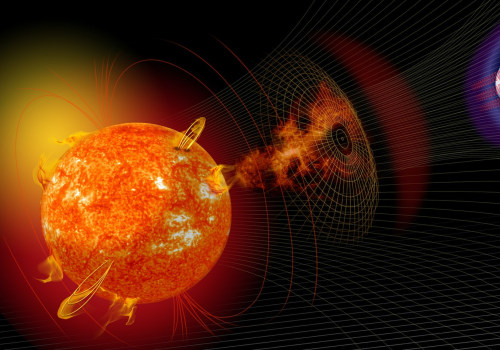
- Solar EMPs: Also known as coronal mass ejections (CMEs), these occur when the sun releases large amounts of plasma and magnetic fields into space. When directed towards Earth, these solar events can interact with the planet's magnetic field, creating geomagnetic storms. While generally less intense than nuclear EMPs, solar EMPs can still have significant effects on electronic systems, particularly power grids and satellite communications.
Nuclear Explosions and Their Electromagnetic Pulses
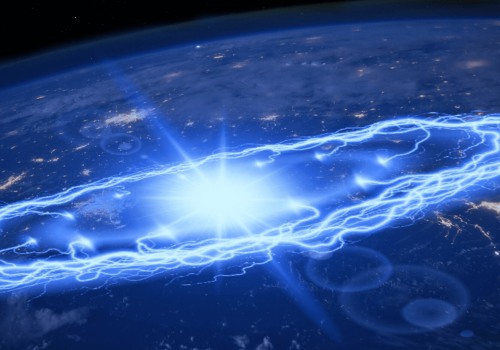
A nuclear explosion generates a powerful electromagnetic pulse (EMP) as a byproduct of the detonation process.This phenomenon occurs due to the rapid release of energy in the form of gamma rays, which interact with the Earth's atmosphere and magnetic field, resulting in a surge of electromagnetic energy. The mechanics behind a nuclear EMP can be broken down into several key components. When a nuclear weapon detonates, it produces an intense burst of gamma radiation. This radiation ionizes the surrounding air, creating a cascade of charged particles. These particles then interact with the Earth's magnetic field, generating a strong electromagnetic field that radiates outward from the explosion site.
The result is a pulse of electromagnetic energy that can extend over vast distances, potentially affecting electronic systems hundreds of miles away.
Intensity and Duration
The intensity of a nuclear EMP is significantly greater than that produced by natural phenomena such as solar flares. A nuclear EMP can reach peak electric fields of several kilovolts per meter, while solar flares typically generate fields in the range of tens to hundreds of volts per meter. Furthermore, the duration of a nuclear EMP is relatively short, often lasting only a few nanoseconds to microseconds. This brief but intense burst can overwhelm electronic circuits and systems, leading to immediate and catastrophic failures.Potential Damage to Electronic Systems
The effects of a nuclear EMP on electronic systems can be devastating.The sudden surge of electromagnetic energy can induce high voltages in electrical circuits, causing components to burn out or become permanently damaged. Critical infrastructure such as power grids, communication networks, and transportation systems are particularly vulnerable. For instance:
- Power Grids: A nuclear EMP can cause widespread blackouts by damaging transformers and other essential equipment.
- Communication Systems: Radio and satellite communications may be disrupted or rendered inoperable due to circuit damage.
- Transportation: Modern vehicles equipped with electronic ignition systems may fail to operate, leading to chaos on roads and highways.
Solar Flares and Their Electromagnetic Pulses
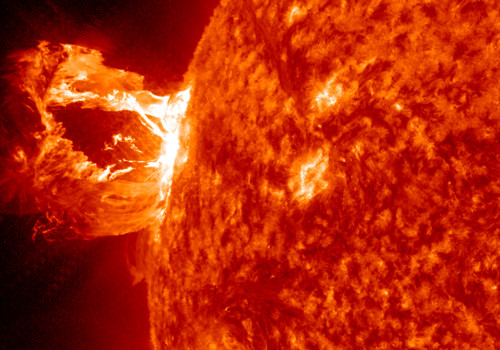
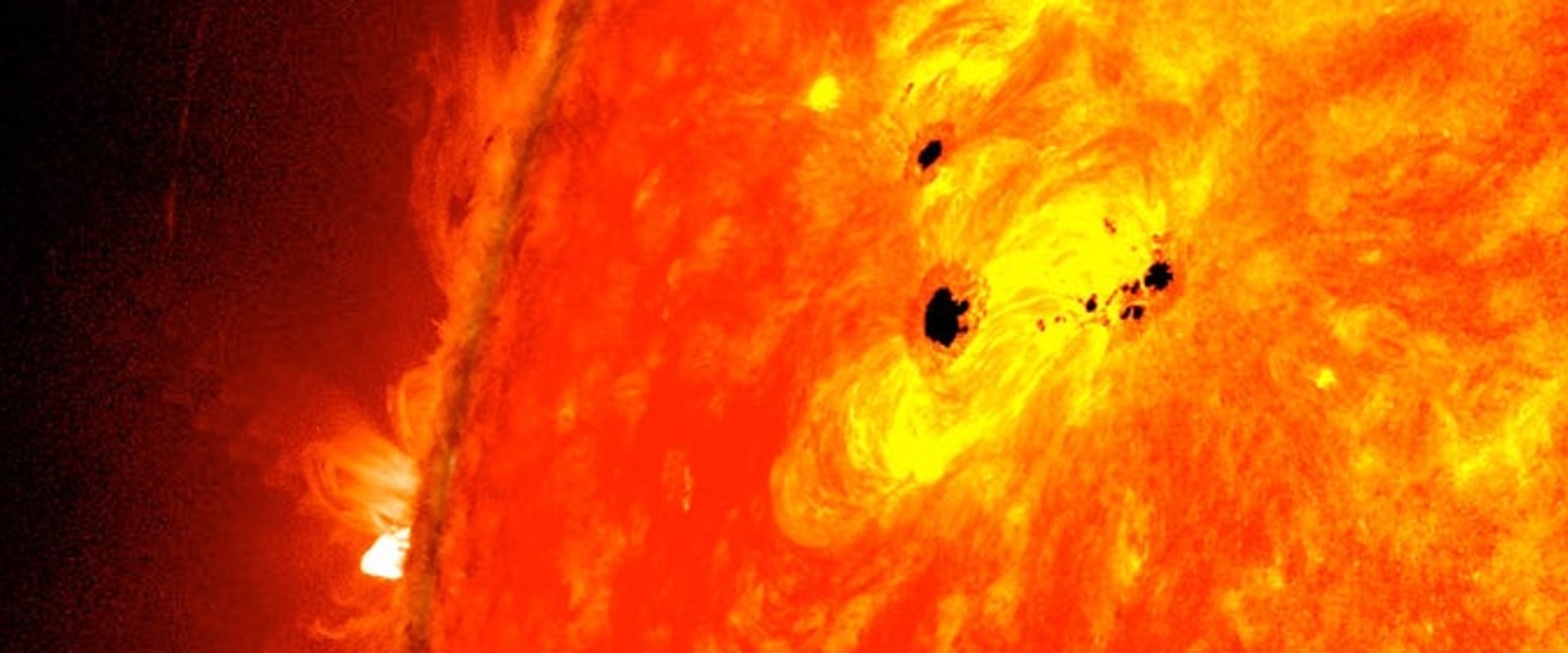
Solar flares are intense bursts of radiation emanating from the sun's surface, often associated with sunspots and magnetic activity.When these flares occur, they can produce a significant electromagnetic pulse (EMP) that impacts the Earth’s magnetosphere. This phenomenon is primarily caused by a coronal mass ejection (CME), which is a large expulsion of plasma and magnetic field from the sun's corona. Understanding how solar flares generate EMPs and their effects on electronic systems is crucial in today's technology-driven world.
Characteristics of Solar Flare EMPs
The EMP generated by solar flares differs markedly from that produced by nuclear detonations. While both types of EMPs can disrupt electronic systems, their characteristics vary significantly:
-
Energy Levels: Solar flare EMPs typically have lower energy levels compared to nuclear EMPs.
The energy released during a solar flare can still be substantial, but it is spread over a longer duration, which can mitigate some immediate impacts on electronics.
- Duration: The duration of a solar flare's EMP can last from several minutes to hours, depending on the intensity of the flare and the resulting CME. In contrast, a nuclear EMP occurs in a matter of nanoseconds, delivering a concentrated burst of energy.
- Frequency: Solar flares are natural occurrences that happen with varying frequency during the solar cycle, which lasts about 11 years. This means that while they can be predicted to some extent, their exact timing and intensity remain uncertain.
Effects on Electronic Systems
The impact of solar flare EMPs on electronic systems can be profound. When a solar flare occurs, it releases charged particles that interact with the Earth's magnetic field, creating geomagnetic storms.
These storms can induce electric currents in power lines and transformers, potentially leading to:
- Power Grid Failures: High-intensity solar flares can overload electrical grids, causing widespread outages. In 1989, a severe geomagnetic storm caused a nine-hour blackout in Quebec, Canada.
- Satellite Disruption: Satellites in orbit are particularly vulnerable to solar flare EMPs. The charged particles can interfere with satellite electronics and communication systems, leading to data loss or operational failures.
- Communication System Interference: Radio communications can be disrupted during solar events due to increased ionospheric activity, affecting aviation and maritime operations.
Comparative Analysis: Nuclear Explosion vs.
Solar Flare on Electronic Systems
When comparing the effects of a nuclear explosion and a solar flare on electronic systems, it is essential to understand the fundamental differences in their nature and the resulting electromagnetic pulses (EMPs) they generate. Both phenomena can disrupt electronic devices, but they do so in distinct ways.
Intensity of the Electromagnetic Pulse
A nuclear explosion produces an EMP that is significantly more intense than that generated by a solar flare. The energy released during a nuclear detonation can reach levels that are orders of magnitude higher than those associated with solar activity. This intense burst of energy can induce high-voltage surges in electrical systems, leading to immediate and catastrophic failures in critical infrastructure.
In contrast, while solar flares can also produce EMPs, these are typically less intense.
Solar flares release energy in the form of radiation and charged particles, which can interact with the Earth's magnetic field to create geomagnetic storms. These storms can induce currents in power lines and transformers, but the overall energy levels are generally lower than those from a nuclear EMP.
Duration of Effects
The duration of the electromagnetic pulse is another critical factor distinguishing these two events. A nuclear EMP occurs almost instantaneously, with its peak effects lasting only a few nanoseconds. This rapid burst can overwhelm electronic systems before protective measures can be enacted.
On the other hand, the effects of a solar flare can persist for hours or even days.
The coronal mass ejections (CMEs) associated with solar flares can lead to prolonged disturbances in the Earth's magnetosphere, resulting in ongoing risks to electronic systems over an extended period. This extended duration means that while the initial impact may be less severe than that of a nuclear explosion, the cumulative effects can still be significant.
Overall Impact on Technology
The overall impact on technology from both types of EMPs varies considerably. A nuclear EMP can cause immediate and widespread damage to critical infrastructure such as power grids, communication networks, and transportation systems. The potential for long-term outages and disruptions is high, necessitating extensive recovery efforts.
Conversely, while solar flares can disrupt satellite communications and navigation systems, their effects are often more localized and manageable.
However, severe solar storms have been known to cause significant damage to transformers and other components of the electrical grid, leading to outages that can last for days or weeks. In summary, while both nuclear explosions and solar flares pose threats to electronic systems through electromagnetic pulses, their differences in intensity, duration, and overall impact highlight the need for tailored preparedness strategies for each scenario.
Real-World Implications of EMP Events
The implications of electromagnetic pulse (EMP) events, whether from nuclear detonations or solar flares, can be profound and far-reaching. Understanding these real-world effects is crucial for preparing for potential scenarios that could disrupt modern society.Nuclear EMP Consequences
A nuclear EMP is generated by the detonation of a nuclear weapon at high altitudes, creating a burst of electromagnetic radiation that can affect electronic systems over vast areas. The consequences of such an event can be catastrophic:
- Infrastructure Damage: A nuclear EMP can incapacitate critical infrastructure, including power grids, communication networks, and transportation systems. This could lead to widespread blackouts and hinder emergency response efforts.
-
Economic Disruption: The immediate aftermath of a nuclear EMP could result in significant economic losses.
Businesses reliant on technology would face operational challenges, leading to job losses and a potential recession.
- Public Safety Risks: With communication systems down, coordinating emergency services would become nearly impossible. This could exacerbate public safety risks during crises, such as natural disasters or civil unrest.
Solar Flare Impact on Society
Solar flares, while less intense than nuclear EMPs, can still have serious implications for society:
- Power Grid Vulnerability: Solar flares can induce geomagnetic storms that affect power grids. In 1989, a solar storm caused a nine-hour blackout in Quebec, Canada, demonstrating the vulnerability of electrical systems to solar activity.
- Communication Disruptions: Solar flares can interfere with satellite communications and GPS systems. This disruption can impact everything from navigation to financial transactions that rely on precise timing.
- Long-Term Effects: While the immediate effects of solar flares may be less severe than those of a nuclear EMP, repeated solar activity could lead to cumulative damage over time, particularly to satellites and other space-based technologies.
Preparing for these events involves not only understanding their potential impacts but also implementing strategies to mitigate their effects on critical infrastructure and public safety.
Protecting Electronic Systems from EMP Effects
As the threat of electromagnetic pulses (EMPs) from both nuclear detonations and solar flares becomes increasingly recognized, it is essential for individuals and organizations to implement effective strategies to protect their electronic systems. The potential for significant disruption to technology necessitates a proactive approach to safeguarding sensitive equipment.Understanding EMP Vulnerabilities
Before delving into protective measures, it is crucial to understand how EMPs can affect electronic systems. An EMP can induce high-voltage surges in electrical circuits, leading to:
- Permanent damage to microprocessors and integrated circuits.
- Disruption of communication networks.
- Failure of power grids and essential services.
EMP Shielding Techniques
One of the most effective ways to protect electronics from EMP effects is through shielding. Here are some practical techniques:
-
Faraday Cages: Constructing a Faraday cage can effectively block electromagnetic fields.
This can be as simple as using a metal container or a specially designed enclosure that completely surrounds the electronic devices.
- Shielded Cables: Using shielded cables for connections can help prevent induced currents from reaching sensitive equipment. Ensure that all cables are properly grounded.
- Grounding Systems: Implementing robust grounding systems can help dissipate excess energy from an EMP, reducing the risk of damage to connected devices.
Preparedness for EMP Events
In addition to physical shielding, preparedness plays a vital role in mitigating the impact of an EMP event. Consider the following steps:
- Create an Emergency Plan: Develop a comprehensive plan that outlines how your organization will respond to an EMP event, including communication protocols and recovery strategies.
- Backup Critical Data: Regularly back up important data and store it in multiple locations, including offline storage solutions that are not susceptible to EMP effects.
- Invest in EMP-Proof Equipment: Consider purchasing devices specifically designed to withstand EMPs, which may include hardened electronics or systems with built-in protection features.
Frequently Asked Questions about Electromagnetic Pulses
Understanding electromagnetic pulses (EMPs) can be complex, and many people have questions about their nature, effects, and implications.Below are some frequently asked questions that help clarify common misconceptions and provide deeper insights into EMPs.
What exactly is an electromagnetic pulse?
An electromagnetic pulse is a burst of electromagnetic radiation that can disrupt or damage electronic devices and electrical systems. EMPs can be generated by various sources, including nuclear explosions and solar flares. The intensity and duration of the pulse can vary significantly depending on its origin.How do nuclear EMPs differ from solar EMPs?
Nuclear EMPs are produced by the detonation of a nuclear weapon at high altitudes, releasing a powerful burst of energy that can affect a wide area. In contrast, solar EMPs, often referred to as coronal mass ejections (CMEs), are caused by solar activity and can lead to geomagnetic storms.While both types of EMPs can disrupt electronic systems, nuclear EMPs tend to be more intense but shorter in duration compared to the prolonged effects of solar EMPs.
Can everyday electronics be affected by an EMP?
Yes, everyday electronics such as computers, smartphones, and even household appliances can be vulnerable to the effects of an EMP. The extent of damage depends on several factors, including the strength of the pulse and the distance from its source. Devices that are not shielded or protected may suffer from permanent damage or complete failure.What measures can be taken to protect against EMPs?
- Faraday Cages: Enclosing sensitive electronics in a Faraday cage can help shield them from electromagnetic interference.
- Surge Protectors: Using surge protectors can provide an additional layer of defense against voltage spikes caused by EMPs.
- Backup Systems: Maintaining backup systems for critical infrastructure can ensure continued operation in the event of an EMP.
Are there any warning signs before an EMP occurs?
For nuclear EMPs, there are typically no warning signs as they occur instantaneously upon detonation. However, solar flares may provide some advance notice through monitoring systems that track solar activity.Scientists use satellites and ground-based observatories to predict potential CMEs, allowing for some preparatory measures.
Is it possible to recover from an EMP event?
Recovery from an EMP event depends on the scale of the disruption. In cases of minor solar flares, systems may experience temporary outages but can often recover quickly. In contrast, a significant nuclear EMP could lead to widespread and long-lasting damage, requiring extensive repairs and restoration efforts across affected regions. By understanding these aspects of electromagnetic pulses, individuals and organizations can better prepare for potential risks associated with both nuclear and solar sources.Conclusion: The Importance of Understanding EMPs in Today's Technological Landscape
In conclusion, understanding the differences between a nuclear electromagnetic pulse (EMP) and a solar flare is crucial in today’s technology-driven world. As we have explored, both phenomena can have devastating effects on electronic systems, but they do so in markedly different ways.A nuclear EMP, resulting from a weapon detonation, releases a concentrated burst of energy that can incapacitate electronic devices almost instantaneously. In contrast, the EMP generated by a solar flare, while still potentially harmful, tends to be less intense and occurs over a longer duration. The implications of these differences are significant for individuals, businesses, and governments alike. With our increasing reliance on technology for communication, transportation, and essential services, the potential for disruption from either source cannot be underestimated. The vulnerability of our power grids and electronic infrastructure to these types of EMPs highlights the need for robust protective measures. Moreover, as we continue to advance technologically, the risk associated with both nuclear EMPs and solar flares becomes more pronounced.
It is essential for policymakers and industry leaders to prioritize research into protective technologies and strategies that can mitigate the risks posed by these electromagnetic events. This includes investing in hardening existing infrastructure against EMP effects and developing contingency plans to ensure rapid recovery in the event of an incident. Furthermore, public awareness plays a vital role in preparedness. Educating communities about the potential impacts of EMPs—whether from nuclear sources or solar activity—can empower individuals to take proactive steps in safeguarding their electronic devices and understanding emergency protocols. In summary, as we navigate an increasingly interconnected world, recognizing the threats posed by both nuclear explosions and solar flares is essential. By fostering a deeper understanding of electromagnetic pulses and their implications for electronic systems, we can better prepare ourselves for the challenges that lie ahead.
The time to act is now; investing in knowledge and protective measures will not only safeguard our technology but also enhance our resilience against future disruptions.