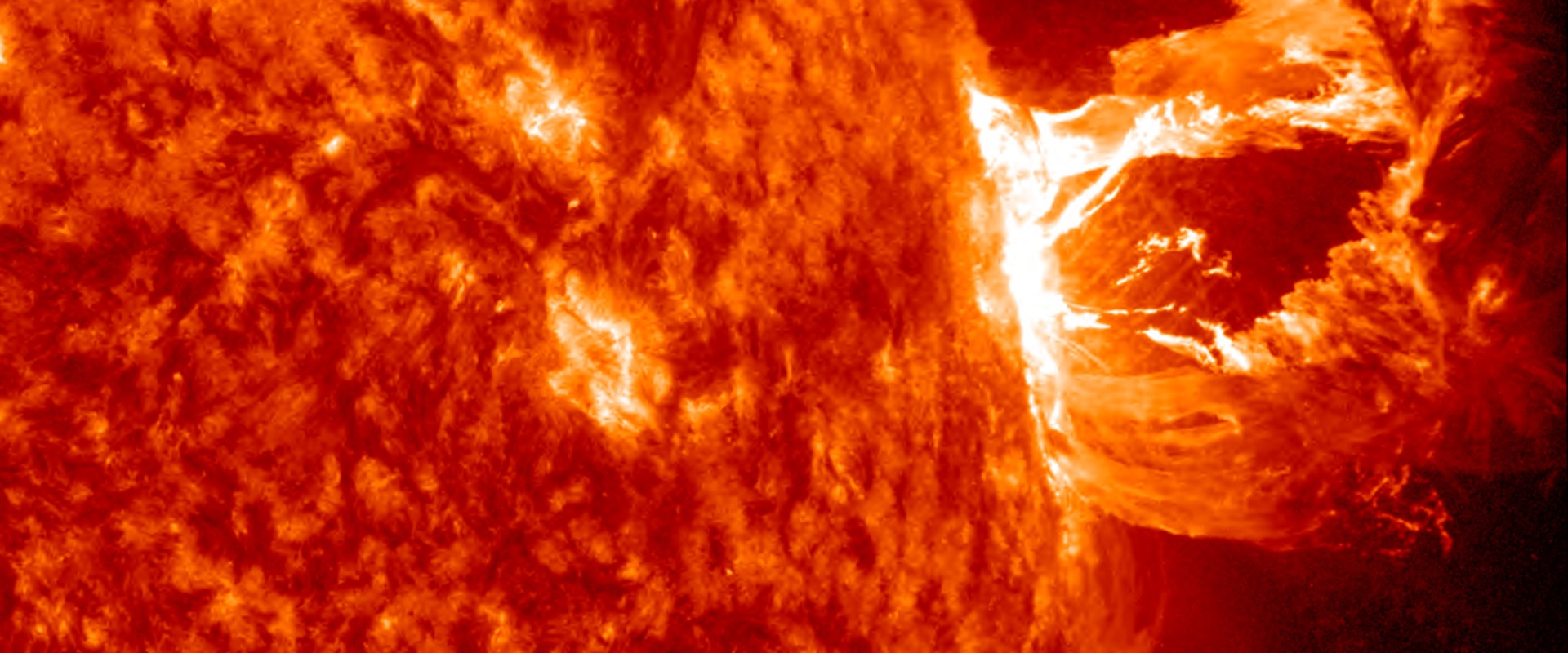
Electromagnetic pulses, commonly referred to as EMPs, are bursts of electromagnetic energy that can have profound effects on electronic systems and infrastructure. These pulses can arise from various sources, both natural and artificial, and their impact can range from minor disruptions to catastrophic failures. Understanding the nature of EMPs is essential, especially in the context of solar flares, which are among the most powerful natural phenomena capable of generating significant electromagnetic disturbances. Solar flares are intense bursts of radiation emanating from the sun's surface, resulting from the release of magnetic energy stored in the solar atmosphere. When these flares occur, they can produce a wide spectrum of electromagnetic radiation, including X-rays and ultraviolet light. , are bursts of electromagnetic energy that can have profound effects on electronic systems and infrastructure. These pulses can arise from various sources, both natural and artificial, and their impact can range from minor disruptions to catastrophic failures. Understanding the nature of EMPs is essential, especially in the context of solar flares, which are among the most powerful natural phenomena capable of generating significant electromagnetic disturbances. Solar flares are intense bursts of radiation emanating from the sun's surface, resulting from the release of magnetic energy stored in the solar atmosphere. When these flares occur, they can produce a wide spectrum of electromagnetic radiation, including X-rays and ultraviolet light.
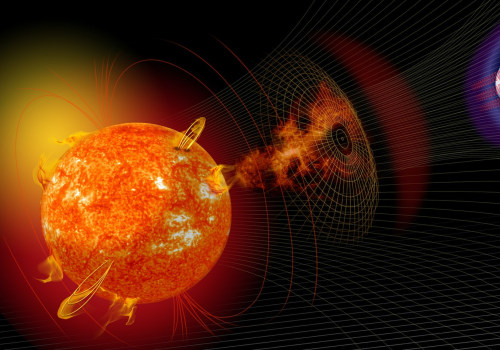
However, it is the associated electromagnetic pulse that poses a serious threat to our technological systems. As solar flares erupt, they can send charged particles hurtling toward Earth, creating disturbances in the planet's magnetic field and leading to geomagnetic storms. The relationship between solar flares and EMPs is critical to comprehend, particularly as our reliance on technology continues to grow. A strong solar flare can induce an EMP that affects power grids, communication networks, and satellite operations. The potential for widespread disruption raises concerns about the vulnerability of modern infrastructure to these natural events.
As we delve deeper into this topic, we will explore how solar flares generate EMPs, the mechanisms behind their effects, and the implications for society. In summary, the intersection of solar flares and electromagnetic pulses presents a complex challenge that warrants attention. By understanding these phenomena, we can better prepare for their potential impacts and develop strategies to mitigate risks associated with EMPs generated by solar activity.
What Are Solar Flares?
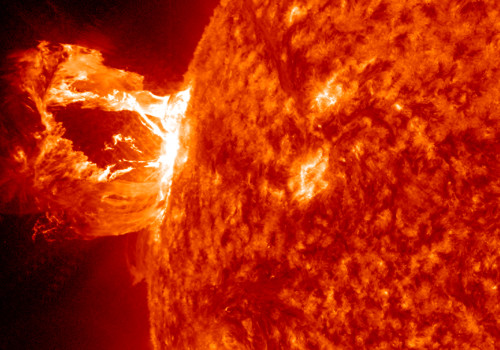
Solar flares are intense bursts of radiation that occur on the surface of the Sun, resulting from the release of magnetic energy stored in the solar atmosphere. These phenomena can have significant implications for both space weather and technological systems on Earth. Understanding what solar flares are, their causes, and the different types is crucial for comprehending their potential impact on electromagnetic pulses (EMPs).Definition of Solar Flares
A solar flare is defined as a sudden and rapid increase in brightness on the Sun's surface, typically lasting from minutes to hours.
This increase in brightness is accompanied by a release of energy across the electromagnetic spectrum, including radio waves, visible light, and X-rays. The energy released during a solar flare can be equivalent to millions of hydrogen bombs exploding simultaneously.
Causes of Solar Flares
The primary cause of solar flares is the complex interplay of magnetic fields in the Sun's atmosphere. When these magnetic fields become twisted and tangled due to the Sun's rotation and convection processes, they can suddenly realign or reconnect. This reconnection releases vast amounts of energy, resulting in a solar flare.
Factors such as sunspots—dark areas on the Sun's surface caused by magnetic activity—often indicate regions where flares are likely to occur.
Types of Solar Flares
Solar flares are classified into three main categories based on their intensity:
- C-class flares: These are the weakest type of solar flares, with minimal impact on Earth. They can still produce some radio wave disturbances but generally do not cause significant disruptions.
- M-class flares: Moderate in strength, M-class flares can lead to noticeable effects on Earth, including minor radio blackouts and increased auroral activity.
- X-class flares: The most powerful type, X-class flares can cause severe disruptions to satellite communications, navigation systems, and even power grids. These flares are often associated with coronal mass ejections (CMEs), which can further exacerbate their effects.
Understanding these phenomena is essential for mitigating risks associated with electromagnetic pulses generated by solar activity.
Understanding Electromagnetic Pulses (EMP)
Electromagnetic pulses (EMPs) are bursts of electromagnetic energy that can disrupt or damage electronic devices and electrical systems. Understanding EMPs is crucial, especially in an age where technology is deeply integrated into our daily lives. These pulses can be categorized into two primary types: natural and artificial.Natural EMPs
typically originate from cosmic events, with solar flares being the most notable example. When a solar flare occurs, it releases a massive amount of energy into space, which can interact with the Earth’s magnetic field.
This interaction can generate geomagnetic storms that produce EMPs capable of affecting power grids and communication systems. The Carrington Event of 1859 serves as a historical benchmark, demonstrating the potential severity of such natural occurrences. During this event, telegraph systems across North America and Europe experienced widespread disruptions, illustrating how vulnerable our technology can be to natural EMPs. On the other hand, artificial EMPs are generated through human-made devices, such as nuclear explosions or specialized EMP weapons. High-altitude nuclear explosions (HEMP) are particularly concerning because they can create a wide-reaching electromagnetic pulse that affects vast areas without causing immediate physical destruction on the ground.
These artificial pulses can incapacitate critical infrastructure, including power plants, communication networks, and transportation systems. The effects of an EMP can be profound and far-reaching. When an electromagnetic pulse strikes, it induces high-voltage surges in electrical circuits. This surge can lead to:
- Damage to Electronics: Devices such as computers, smartphones, and medical equipment may become inoperable or suffer permanent damage.
- Power Grid Failures: An EMP can overload transformers and disrupt the flow of electricity, leading to widespread blackouts.
- Communication Disruptions: Radio signals and satellite communications may be interrupted, hampering emergency response efforts.
- Transportation Issues: Modern vehicles rely heavily on electronic systems; an EMP could render them unusable.
The Connection Between Solar Flares and Electromagnetic Pulses
Understanding the connection between solar flares and electromagnetic pulses (EMPs) is crucial for grasping the potential risks posed by these natural phenomena.Solar flares are intense bursts of radiation that occur when magnetic energy built up in the solar atmosphere is released. This release can generate a variety of electromagnetic emissions, including those that contribute to EMPs. When a solar flare erupts, it releases a significant amount of energy in the form of electromagnetic radiation across a wide spectrum, from radio waves to X-rays. This energy travels through space and can interact with the Earth’s magnetic field, leading to disturbances known as geomagnetic storms. These storms can induce currents in electrical systems on Earth, resulting in what we recognize as an electromagnetic pulse. The mechanism behind this phenomenon involves several steps:
- Initial Eruption: The solar flare itself releases a burst of high-energy particles and radiation.
- Interaction with the Magnetosphere: As these particles reach Earth, they interact with the planet's magnetic field, causing it to fluctuate.
- Induction of Currents: These fluctuations can induce electric currents in conductive materials on Earth, such as power lines and electronic devices.
For instance, during the Carrington Event of 1859, one of the most powerful solar storms recorded, telegraph systems across North America and Europe experienced widespread disruptions due to induced currents from the resulting EMP. The effects of solar flares on technology are profound. Modern society relies heavily on electronic systems for communication, navigation, and power distribution. A strong EMP from a solar flare could potentially lead to:
- Power Grid Failures: High-voltage transformers could be damaged or destroyed, leading to widespread blackouts.
- Communication Disruptions: Satellite communications and GPS systems could be severely affected, impacting everything from personal navigation to military operations.
- Damage to Electronics: Devices ranging from smartphones to critical infrastructure could suffer permanent damage due to surges caused by EMPs.
Historical Instances of Solar Flares Causing EMP Effects
Throughout history, there have been several notable instances where solar flares have resulted in significant electromagnetic pulse (EMP) effects, impacting technology and infrastructure.Understanding these historical events not only highlights the potential dangers posed by solar activity but also serves as a reminder of our vulnerability to natural phenomena. One of the most famous occurrences is the Carrington Event of 1859. This solar storm was triggered by a massive coronal mass ejection (CME) that collided with Earth’s magnetic field. The resulting EMP caused widespread disruptions in telegraph systems across North America and Europe. Operators reported sparks flying from their equipment, and some even received electric shocks. The auroras produced by this event were visible as far south as the Caribbean, showcasing the intensity of the solar activity. Another significant event occurred in 1921, known as the New York Railroad Storm.
A powerful solar flare led to a geomagnetic storm that disrupted telegraph communications and caused electrical surges in railway systems. The New York Central Railroad experienced failures in its signaling systems, leading to delays and operational chaos. This incident underscored the potential for solar activity to impact critical infrastructure. Fast forward to 1989, when a geomagnetic storm caused by a solar flare resulted in a blackout in Quebec, Canada. The storm induced currents in power lines that overwhelmed transformers, leading to a nine-hour outage affecting millions of people.
This event highlighted how modern technology is susceptible to EMP effects from solar activity, raising concerns about the resilience of our power grids. In more recent years, the 2012 Solar Storm , although less impactful than initially feared, serves as a reminder of the ongoing threat posed by solar flares. A massive CME narrowly missed Earth but had it been directed towards our planet, it could have caused significant disruptions similar to those seen during the Carrington Event. These historical instances illustrate that while we have made advancements in technology, we remain at risk from natural events like solar flares that can generate powerful electromagnetic pulses. As we continue to rely on electronic systems for communication and power distribution, understanding these past events is crucial for preparing for future solar activity.
The Impact of EMP on Modern Technology
Electromagnetic pulses (EMPs) pose a significant threat to modern technology, particularly as our reliance on electronic systems continues to grow. The potential for disruption or damage from an EMP event can have far-reaching consequences, affecting everything from power grids to communication networks.Impact on Power Grids
One of the most critical areas vulnerable to EMP effects is the electrical grid.
A sudden surge of electromagnetic energy can induce high voltages in power lines, leading to transformer failures and widespread outages. The National Academy of Sciences has warned that a severe EMP could result in long-term blackouts, potentially lasting weeks or even months, depending on the extent of the damage. This scenario not only disrupts daily life but also jeopardizes essential services such as hospitals, water supply systems, and emergency response operations.
Effects on Communication Systems
Communication systems are equally at risk from EMP events. Modern telecommunications rely heavily on sensitive electronic components that can be easily damaged by the intense electromagnetic fields generated during an EMP.
This includes everything from cell towers to satellite communications. A disruption in these systems can hinder emergency communications and create chaos during critical situations.
Vulnerability of Consumer Electronics
Consumer electronics are not immune to the effects of an EMP. Devices such as smartphones, laptops, and home appliances contain intricate circuits that can be disrupted or destroyed by a strong electromagnetic pulse. The loss of these devices can lead to significant personal and financial repercussions for individuals and families.
Protecting Against EMP Damage
Given the potential for catastrophic outcomes, it is essential to consider protective measures against EMP damage.
Some strategies include:
- Faraday Cages: Enclosing sensitive electronics in Faraday cages can shield them from electromagnetic interference.
- Surge Protectors: Installing surge protectors can help mitigate the impact of voltage spikes caused by an EMP.
- Backup Systems: Maintaining backup power systems and communication methods can ensure continuity in case of an EMP event.
- Hardening Infrastructure: Upgrading power grid components and communication systems to withstand EMP effects is crucial for national security.
Preventive Measures Against Solar Flare-Induced EMPs
As the threat of solar flare-induced electromagnetic pulses (EMPs) looms, it becomes increasingly vital to implement effective preventive measures. These strategies can significantly mitigate the potential damage caused by such natural phenomena. Below are several key approaches to safeguard against EMP damage:-
Shielding Infrastructure: One of the most effective ways to protect against EMPs is through physical shielding.
This can be achieved by using Faraday cages, which are enclosures made of conductive materials that block external electromagnetic fields. By placing sensitive electronic equipment inside these cages, you can prevent EMPs from inducing damaging currents.
- Surge Protection Devices: Installing surge protectors on electrical systems can help absorb and redirect excess voltage caused by an EMP. These devices are designed to protect against sudden spikes in electrical energy, ensuring that your equipment remains operational even during a solar flare event.
-
Redundant Systems: Building redundancy into critical systems is another effective strategy. This involves having backup power sources and communication systems that can take over in case primary systems fail due to an EMP.
For instance, using solar panels with battery storage can provide an alternative power source during outages.
- Regular Maintenance and Upgrades: Keeping your electronic systems updated and well-maintained can enhance their resilience against EMPs. Regularly upgrading software and hardware ensures that your systems are equipped with the latest protective technologies.
- Emergency Preparedness Plans: Developing a comprehensive emergency preparedness plan is crucial for both individuals and organizations. This plan should include protocols for communication, power restoration, and resource management in the event of an EMP incident.
By taking proactive steps now, we can better protect our infrastructure and ensure continuity in the face of potential solar flare-induced disruptions.
Future Implications of Solar Flares and Electromagnetic Pulses
As we look to the future, the implications of solar flares and their associated electromagnetic pulses (EMPs) become increasingly significant. With our society's growing dependence on technology, understanding the potential impacts of solar activity is crucial for safeguarding our infrastructure and daily lives. One of the most pressing concerns is the frequency and intensity of solar flares. Scientists predict that as we move through the solar cycle, particularly during periods of solar maximum, the likelihood of significant solar flares increases. These events can unleash powerful bursts of energy that, when directed towards Earth, can generate electromagnetic pulses capable of disrupting electrical grids and communication systems. Future research into solar flares aims to enhance our predictive capabilities.By improving our understanding of the mechanisms behind these phenomena, scientists hope to develop more accurate forecasting models. This could lead to timely warnings that allow for protective measures to be implemented, such as:
- Shutting down power grids: Utilities could temporarily disable systems to prevent damage from surges.
- Re-routing communications: Alternative channels could be utilized to maintain connectivity during an EMP event.
- Hardening infrastructure: Investing in technology that can withstand EMP effects will be essential for critical systems.
A single electromagnetic pulse could potentially incapacitate entire networks, highlighting the need for robust cybersecurity measures and contingency planning. In conclusion, while solar flares are natural phenomena that have been occurring for billions of years, their future implications in our technologically driven world cannot be underestimated. Ongoing research and preparedness strategies will be vital in mitigating the risks associated with these powerful bursts of energy, ensuring that society can continue to thrive even in the face of potential EMP threats.
Frequently Asked Questions About Solar Flares and Electromagnetic Pulses
Understanding the relationship between solar flares and electromagnetic pulses (EMPs) can be complex, leading to many questions. Below are some frequently asked questions that aim to clarify common misconceptions and provide deeper insights into this phenomenon.What exactly is a solar flare?
A solar flare is a sudden, intense burst of radiation from the sun's surface, often associated with sunspots and magnetic activity. These flares release energy equivalent to millions of hydrogen bombs exploding simultaneously, emitting light and heat across the electromagnetic spectrum.How do solar flares generate electromagnetic pulses?
When a solar flare occurs, it can release charged particles into space.If these particles interact with the Earth's magnetic field, they can create an electromagnetic pulse. This interaction can induce currents in electrical systems on Earth, potentially leading to power surges and equipment damage.
What are the potential effects of an EMP caused by a solar flare?
- Power Grid Disruption: A significant EMP can overload power lines, causing widespread blackouts.
- Damage to Electronics: Sensitive electronic devices may be rendered inoperable due to induced currents.
- Communication Failures: Radio signals and satellite communications can be disrupted, affecting everything from personal devices to emergency services.
Can we predict solar flares?
While scientists have made significant advancements in understanding solar activity, predicting the exact timing and intensity of solar flares remains challenging. Monitoring sunspots and magnetic field changes helps in forecasting potential flares, but precise predictions are still elusive.Are there any historical examples of solar flares affecting technology?
The most notable example is the Carrington Event of 1859, where a massive solar storm caused widespread telegraph outages and even sparked fires in telegraph stations. Modern technology is far more vulnerable due to our reliance on electronic systems.What precautions can be taken against EMPs?
To mitigate the risks associated with EMPs from solar flares, individuals and organizations can:- Invest in surge protectors: These devices can help shield electronics from sudden voltage spikes.
- Create backup systems: Having alternative power sources or backup communication methods can be crucial during outages.
- Stay informed: Following space weather forecasts can help prepare for potential solar events.
Conclusion: The Importance of Awareness Regarding Solar Flares and EMPs
In conclusion, the implications of solar flares on electromagnetic pulses (EMPs) are profound and far-reaching.As we have explored throughout this article, solar flares are not merely fascinating astronomical phenomena; they pose significant risks to our technological infrastructure and daily lives. Understanding these risks is crucial for both individuals and organizations alike. The historical context provided by events such as the Carrington Event of 1859 serves as a stark reminder of the potential devastation that can arise from a powerful solar flare. This event, which caused widespread disruption to telegraph systems, illustrates how vulnerable our technology can be to natural electromagnetic disturbances. Today, with our reliance on electronic devices and interconnected systems, the stakes are even higher. Moreover, the mechanisms by which solar flares generate EMPs highlight the complexity of these interactions.
The rapid release of energy during a solar flare can create pulses that disrupt electrical grids, communication networks, and even satellite operations. As we continue to advance technologically, the need for robust protective measures becomes increasingly critical. To mitigate the risks associated with solar flares and EMPs, it is essential to:
- Enhance public awareness: Educating communities about the potential impacts of solar flares can foster preparedness and resilience.
- Invest in infrastructure protection: Upgrading power grids and communication systems to withstand EMP effects is vital for national security.
- Develop early warning systems: Implementing technologies that can predict solar activity will allow for timely responses to mitigate damage.