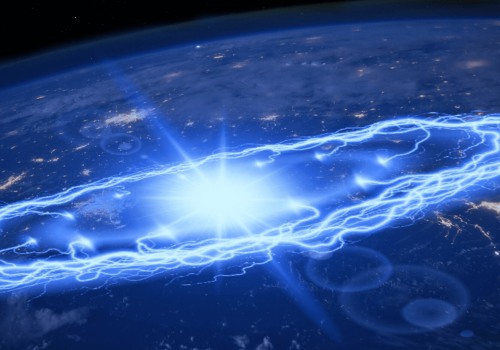
An electromagnetic pulse (EMP) is a burst of electromagnetic energy that can disrupt or damage electronic devices and electrical systems. While the term may evoke images of science fiction, the reality is that EMPs can occur naturally or be generated by human activities. Understanding what an EMP is, its various types, and the potential causes is essential for businesses to recognize the risks they pose and to implement effective protective measures. There are primarily two types of EMPs: natural and man-made. Natural EMPs are often associated with solar flares or coronal mass ejections (CMEs) from the sun.
These events can release massive amounts of energy that interact with the Earth's magnetic field, creating a pulse that can affect electrical grids and electronic devices on a large scale. On the other hand, man-made EMPs can result from nuclear detonations at high altitudes or from specialized weapons designed to generate such pulses. Both types can have devastating effects on infrastructure, leading to power outages, communication failures, and significant economic losses. The causes of EMPs vary widely, but they generally fall into two categories: natural phenomena and human actions. Solar activity, particularly during periods of heightened solar activity known as solar maximum, can lead to intense solar flares that produce EMPs capable of affecting Earth.
Conversely, human-induced EMPs are often linked to military applications or terrorist activities aimed at crippling a nation’s technological capabilities. Understanding these causes helps businesses prepare for potential disruptions and underscores the importance of having robust contingency plans in place. In summary, comprehending the nature of electromagnetic pulses, their types, and their causes is crucial for businesses aiming to safeguard their operations against unforeseen disruptions. As technology continues to advance and reliance on electronic systems grows, the threat posed by EMPs becomes increasingly relevant. By recognizing these risks early on, businesses can take proactive steps to mitigate potential damage and ensure continuity in the face of such challenges.
The Threat of Natural Disasters and EMPs
Natural disasters come in many forms, from hurricanes and earthquakes to floods and wildfires.Each of these events poses unique challenges and risks to businesses, often leading to significant operational disruptions, financial losses, and even permanent closures. In this context, electromagnetic pulses (EMPs) represent a less common but equally concerning threat that can severely impact business operations. While traditional natural disasters typically involve physical destruction, EMPs can incapacitate electronic systems without any visible damage. An EMP can be triggered by a variety of sources, including solar flares or nuclear detonations at high altitudes. The result is a sudden surge of electromagnetic energy that can disrupt or destroy electronic devices and power grids.
This makes understanding the risks associated with EMPs crucial for businesses that rely heavily on technology. When comparing the risks of EMPs to more conventional natural disasters, it is essential to recognize that the effects of an EMP can be widespread and long-lasting. For instance:
- Infrastructure Vulnerability: Unlike physical disasters that may affect specific locations, an EMP can impact entire regions simultaneously, crippling communication networks and power supplies.
- Recovery Challenges: The recovery process after an EMP event may be more complex than after a natural disaster. While physical structures can often be repaired or rebuilt, restoring electronic systems and data integrity can take significantly longer.
- Business Continuity Risks: Many businesses today are heavily reliant on technology for their daily operations. An EMP could lead to data loss, operational downtime, and a breakdown in customer service.
This includes investing in protective measures such as surge protectors and Faraday cages, as well as establishing robust backup systems to ensure continuity in the face of unexpected disruptions. In conclusion, while natural disasters are often more visible and immediate threats, the potential impact of an electromagnetic pulse should not be underestimated. By understanding the risks associated with both types of events and implementing proactive strategies, businesses can better safeguard their operations against a wide range of threats.
How Electromagnetic Pulses Affect Business Operations
Electromagnetic pulses (EMPs) can have devastating effects on business operations, primarily through their impact on electronic devices and critical infrastructure. Understanding these effects is crucial for businesses aiming to safeguard their operations against such unpredictable events.Impact on Electronics
One of the most immediate consequences of an EMP is the potential damage to electronic devices. This includes everything from computers and servers to communication systems and point-of-sale terminals.
The sudden surge of electromagnetic energy can overload circuits, leading to:
- Permanent damage to sensitive components, rendering them inoperable.
- Data loss, particularly if devices are not backed up or protected by robust data recovery systems.
- Disruption of communication, which can hinder internal operations and customer interactions.
Business Continuity After an EMP
In the aftermath of an EMP event, maintaining business continuity is paramount. Companies must have contingency plans that address:
- Restoration of power: This may involve backup generators or alternative energy sources like solar panels.: This may involve backup generators or alternative energy sources like solar panels.
- Data recovery strategies: Regular backups and off-site storage solutions can mitigate data loss.
- Employee training: Ensuring staff are aware of emergency protocols can facilitate a quicker recovery process.
Effects on Infrastructure
An EMP does not only affect individual businesses; it can also disrupt broader infrastructure systems that support business operations.
For instance:
- Power grids: An EMP can cause widespread outages, affecting entire regions and crippling businesses reliant on electricity.
- Transportation systems: Disruptions in electronic signaling and communication can lead to delays and logistical challenges.
- Telecommunications networks: Damage to these networks can impede communication between businesses and their customers or suppliers.
Protective Measures Against Electromagnetic Pulses
To effectively shield your business from the potentially devastating effects of an electromagnetic pulse (EMP), it is crucial to implement a multi-faceted approach that combines various protective measures. Below are some of the most effective strategies to consider:1.Surge Protectors
One of the primary defenses against EMPs is the installation of surge protectors.These devices are designed to absorb excess voltage and prevent it from reaching sensitive electronic equipment. When selecting surge protectors, consider the following:
- Type: Look for whole-house surge protectors that can be installed at the electrical panel, as well as point-of-use protectors for individual devices.
- Rating: Choose surge protectors with a high joule rating, which indicates their capacity to absorb energy.
- Response Time: Opt for devices with a fast response time to ensure immediate protection during an EMP event.
2.Faraday Cages
A Faraday cage is another effective method for protecting electronics from EMPs. This enclosure works by redistributing electromagnetic fields around its exterior, thereby shielding the contents inside. Here’s how to implement Faraday cages in your business:- Material: Construct cages using conductive materials such as copper or aluminum mesh, ensuring there are no gaps that could allow electromagnetic waves to penetrate.
- Size: Design cages large enough to accommodate critical equipment, including servers and communication devices.
- Grounding: Properly ground your Faraday cage to enhance its effectiveness and ensure safety during an EMP event.
3.Backup Power Solutions
Having a reliable backup power source is essential for maintaining operations during and after an EMP event.Options include:
- Generators: Invest in high-quality generators that can provide power during outages. Ensure they are stored in a safe location and regularly maintained.
- Renewable Energy Sources: Solar panels or wind turbines can serve as sustainable backup power solutions, reducing reliance on the grid.
- Batteries: High-capacity batteries can store energy for use during emergencies, providing a buffer until other power sources are restored.
Implementing a Comprehensive Emergency Plan
In the face of potential threats from electromagnetic pulses (EMP), having a comprehensive emergency plan is essential for ensuring business continuity. An effective emergency plan not only addresses immediate responses to an EMP event but also outlines long-term strategies for recovery and resilience.1.Establishing a Business Continuity Plan
A well-structured business continuity plan (BCP) is crucial for mitigating the impact of an EMP. This plan should include:
- Risk Assessment: Identify critical business functions and assess how an EMP could disrupt them.
- Impact Analysis: Evaluate the potential financial and operational impacts of an EMP on your business.
- Recovery Strategies: Develop strategies to restore operations quickly, including alternative work locations and remote work capabilities.
2.Backup Power Sources
One of the most significant vulnerabilities during an EMP event is the loss of power.
To counter this, businesses should consider various backup power sources:
- Generators: Invest in high-quality generators that can provide power during outages. Ensure they are EMP-hardened or stored in a Faraday cage to protect them from electromagnetic interference.
- Solar Panels: Solar energy systems can serve as a reliable backup, especially when paired with battery storage solutions. This setup allows businesses to harness renewable energy even when the grid is down.
- Batteries: High-capacity batteries can store energy for use during outages. Consider using lithium-ion batteries for their efficiency and longevity.
3.Communication Plans
A robust communication plan is vital for coordinating responses during an EMP event.
This plan should include:
- Emergency Contacts: Maintain an updated list of key personnel, suppliers, and emergency services.
- Communication Channels: Establish multiple channels for communication, such as satellite phones or two-way radios, which may remain operational when traditional networks fail.
- Regular Drills: Conduct regular training sessions and drills to ensure all employees are familiar with the emergency procedures and communication protocols.
4.Recovery Strategies
The recovery phase after an EMP event is critical for restoring normal operations. Key strategies include:
- Assessment Teams: Form teams responsible for assessing damage and determining the necessary steps for recovery.
- Resource Allocation: Prioritize resources based on critical business functions to ensure a swift return to operations.
- Continuous Improvement: After recovering from an incident, review the emergency plan to identify areas for improvement and update it accordingly.
Case Studies: Businesses Affected by Electromagnetic Pulses
Understanding the impact of electromagnetic pulses (EMPs) on businesses is crucial for developing effective mitigation strategies. Several case studies illustrate the potential consequences of EMP events, both natural and man-made, and the lessons learned from these incidents can guide other organizations in their preparedness efforts.Case Study 1: The Solar Storm of 1989
In March 1989, a powerful solar storm caused a geomagnetic disturbance that led to a widespread blackout in Quebec, Canada. The storm induced currents in power lines, damaging transformers and causing a nine-hour outage affecting millions.Businesses reliant on electronic systems faced significant operational disruptions.
- Impact: Many companies experienced data loss, halted production, and financial losses due to downtime.
- Response: In the aftermath, businesses began investing in surge protectors and backup power systems to safeguard their operations against future solar events.
Case Study 2: The 2003 Northeast Blackout
The 2003 blackout, which affected approximately 50 million people across the northeastern United States and parts of Canada, was not directly caused by an EMP but highlighted vulnerabilities in the electrical grid. The cascading failures led to significant economic losses for businesses.- Impact: Retailers lost sales due to store closures, while manufacturers faced production delays.
- Response: Companies learned the importance of having contingency plans, including backup generators and alternative communication methods to maintain operations during outages.
Lessons Learned
The experiences from these incidents underscore several key lessons for businesses:- Invest in Protection: Implementing surge protectors and Faraday cages can significantly reduce the risk of damage from EMPs.
- Create a Response Plan: Developing a comprehensive emergency response plan that includes backup power sources and data recovery strategies is essential.
- Regular Training: Conducting regular training sessions for employees on emergency procedures can enhance readiness and minimize chaos during an actual event.
Conclusion: Preparing Your Business for the Unexpected
In conclusion, the threat posed by electromagnetic pulses (EMPs) is one that cannot be overlooked, especially in an increasingly technology-dependent world. As we have explored, both natural and man-made EMPs can disrupt electrical systems and cause significant damage to businesses. Therefore, it is crucial for business owners to take proactive measures to safeguard their operations against these unpredictable events. To effectively prepare for the unexpected, consider implementing the following strategies:-
Invest in Surge Protectors: These devices are essential for absorbing excess energy from an EMP, protecting your electrical systems and sensitive equipment.
Ensure that surge protectors are installed at all entry points of your electrical infrastructure.
- Utilize Faraday Cages: Constructing or purchasing Faraday cages can provide a robust defense for critical electronics. These enclosures block electromagnetic fields and can be used to store vital equipment safely.
- Develop a Comprehensive Backup Plan: Having a reliable backup power source, such as generators or solar panels, is vital. This ensures that your business can continue operating even in the aftermath of an EMP event.
- Regularly Update Your Emergency Protocols: Conduct drills and training sessions to ensure that all employees are aware of the procedures to follow in the event of an EMP. This preparedness can significantly reduce panic and confusion during a crisis.
-
Stay Informed: Keep abreast of developments related to EMP threats and advancements in protective technologies.
Knowledge is power, and being informed will help you make better decisions regarding your business's safety.