In an era where technology permeates every aspect of our lives, understanding the implications of electromagnetic pulses (EMPs) is more crucial than ever. An EMP is a burst of electromagnetic energy that can disrupt or damage electronic devices and electrical systems. These pulses can originate from various sources, including natural phenomena like solar flares and man-made events such as nuclear detonations. The potential for widespread disruption makes it essential for individuals and organizations to grasp the nature of EMPs and their possible consequences. The significance of EMP awareness cannot be overstated.
As our reliance on technology grows, so does our vulnerability to disruptions caused by EMPs. A single pulse can incapacitate critical infrastructure, including power grids, communication networks, and transportation systems. This vulnerability highlights the need for preparedness and protective measures against such events. Understanding what an EMP is and how it operates lays the groundwork for developing effective strategies to mitigate its impact. Moreover, the increasing frequency of solar activity raises concerns about the potential for natural EMP events.
Solar flares, which release massive amounts of energy into space, can create geomagnetic storms that affect Earth’s magnetic field and induce currents in electrical systems. These natural occurrences serve as a reminder that while we may not have control over every threat, we can take proactive steps to safeguard our technology and infrastructure. As we delve deeper into the topic of electromagnetic pulses, it becomes evident that knowledge is power. By understanding the mechanics behind EMPs and their potential duration and effects, we can better prepare ourselves for a future where such events may become more common. This awareness not only empowers individuals but also encourages communities and governments to invest in protective measures that can shield us from the devastating consequences of an EMP.
What is an Electromagnetic Pulse?
An electromagnetic pulse (EMP) is a burst of electromagnetic radiation that can disrupt or damage electronic devices and electrical systems.This phenomenon can occur naturally or be man-made, and understanding its nature is essential for preparing against its potential impacts. There are three primary types of EMPs, each with distinct characteristics and sources:
- Nuclear EMPs: These are generated by nuclear explosions, particularly when detonated at high altitudes. The explosion releases a massive amount of energy, which interacts with the Earth's magnetic field to produce a powerful EMP. The effects of a nuclear EMP can be widespread, affecting large geographical areas and causing extensive damage to electrical grids and electronic devices.
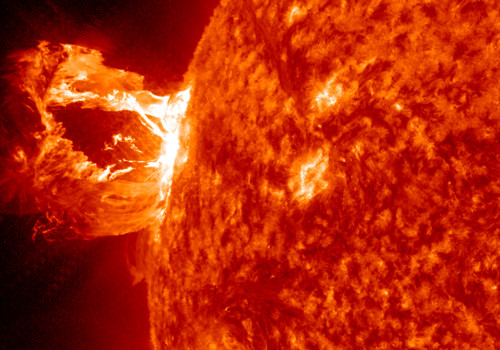
- Solar EMPs: Also known as solar flares or coronal mass ejections (CMEs), these natural events occur when the sun releases a significant amount of energy into space. When directed towards Earth, this energy can interact with the planet's magnetic field, creating an EMP that can disrupt satellite communications, navigation systems, and power grids.
Solar EMPs tend to have a more gradual onset compared to nuclear EMPs but can still cause significant disruptions.
- Non-Nuclear EMPs: These are generated by various non-nuclear means, such as certain types of weapons or devices designed specifically to create an electromagnetic pulse. For example, some military technologies utilize non-nuclear EMP generators that can disable electronic systems within a localized area without causing physical destruction.
- Nuclear Weapons: As mentioned, high-altitude nuclear detonations are among the most potent sources of EMPs.
- Solar Activity: Solar flares and CMEs are natural phenomena that can produce significant electromagnetic disturbances.
- Lightning Strikes: While typically less powerful than other sources, lightning can generate localized EMP effects that may disrupt nearby electronics.
- Man-Made Devices: Certain technologies designed for military or industrial applications can create targeted EMP effects without the need for nuclear reactions.
How Long Does an EMP Pulse Last?
Understanding the duration of an electromagnetic pulse (EMP) is crucial for assessing its potential impact on electronic systems. The length of time an EMP lasts can vary significantly based on its source, and this variability plays a critical role in how it affects technology and infrastructure. Generally, EMPs can be categorized based on their origin:- Nuclear Explosions: One of the most powerful sources of EMPs is a nuclear explosion.
The electromagnetic pulse generated from such an event is extremely brief, typically lasting only a few billionths of a second. This rapid burst can induce high-voltage surges in electrical systems, potentially damaging or destroying sensitive electronics almost instantaneously.
- Solar Flares: In contrast to nuclear-generated EMPs, solar flares produce pulses that can last significantly longer. These natural phenomena can create electromagnetic disturbances that persist for several minutes to hours. The duration and intensity of the pulse depend on the size of the solar flare and its proximity to Earth.
Solar flares can disrupt satellite communications, GPS systems, and power grids, leading to widespread outages.
- Lightning Strikes: Lightning also generates EMPs, but these pulses are typically short-lived, lasting only a few microseconds. However, the energy released can still cause localized damage to electronic devices and systems.
- Source Type: As mentioned, the origin of the EMP—whether nuclear, solar, or natural—determines its duration and intensity.
- Altitude of Detonation: For nuclear EMPs, the altitude at which the explosion occurs can affect the spread and duration of the pulse. High-altitude detonations can create broader and more sustained pulses.
- Geographic Location: The geographical area affected by an EMP may experience different impacts based on local infrastructure and susceptibility of electronic systems.
The Effects of Electromagnetic Pulses on Technology
Electromagnetic pulses (EMPs) can have profound effects on technology, particularly on electronic devices and critical infrastructure.The intensity and duration of an EMP play crucial roles in determining the extent of the damage inflicted on various systems.
Effects of EMP on Electronics
- Microelectronics: Modern electronics, including smartphones, computers, and medical devices, are particularly vulnerable to EMPs. A strong EMP can induce high voltage surges that may permanently damage microchips and circuit boards, rendering devices inoperable.
- Power Supplies: Power supply units (PSUs) are designed to regulate voltage and current. However, during an EMP event, these units can be overwhelmed by sudden surges, leading to failures that may affect not just individual devices but entire networks.
- Communication Systems: Communication infrastructure, including cell towers and satellite systems, can be severely disrupted by EMPs. This disruption can lead to loss of connectivity, making it difficult for emergency services to respond effectively during crises.
Damage Caused by EMP
The damage caused by an EMP can vary significantly based on its strength:
- Low-Energy Pulses: These may only affect a few sensitive components within devices, leading to minor malfunctions or temporary outages.
- High-Energy Pulses: In contrast, high-energy EMPs can cause widespread destruction.
For instance, during a nuclear detonation at high altitudes, the resulting pulse can affect vast geographical areas, disabling everything from household appliances to critical infrastructure.
EMP Impact on Infrastructure
The implications of an EMP extend beyond individual devices; they pose significant risks to essential services:
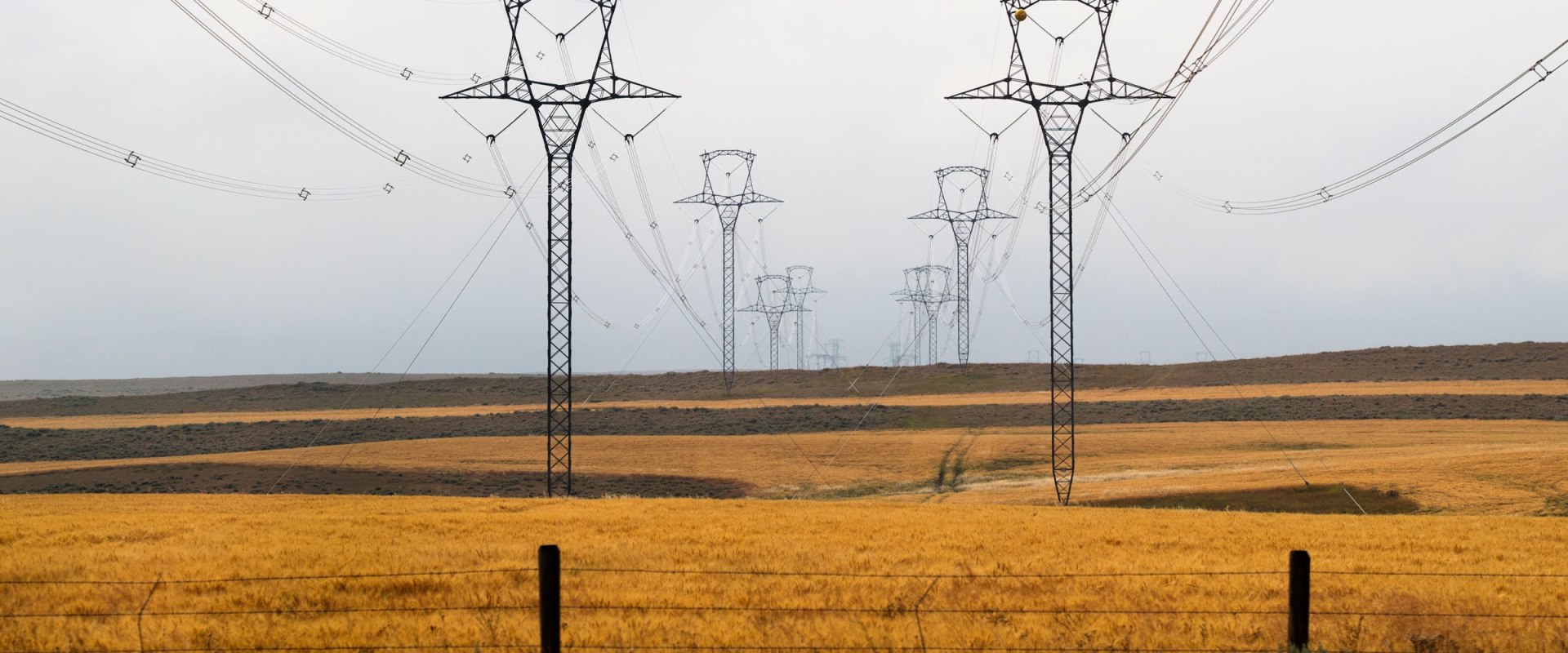
- Power Grids: An EMP can incapacitate power generation and distribution systems. A compromised grid could lead to prolonged blackouts, affecting millions of people and disrupting daily life.
- Water Supply Systems: Many municipal water systems rely on electronic controls for pumping and treatment processes. An EMP could disrupt these systems, leading to water shortages or contamination.
- Transportation Networks: Traffic lights, rail systems, and air traffic control rely heavily on electronic systems. An EMP could paralyze transportation networks, causing chaos and hindering emergency response efforts.
Understanding these impacts is crucial for developing effective strategies to mitigate risks and protect vital infrastructure from future EMP events.
Real-World Examples of EMP Events
Understanding the implications of electromagnetic pulses (EMPs) requires examining historical events where these phenomena have occurred. By analyzing real-world examples, we can gain insight into the potential risks and effects associated with EMPs. One of the most notable instances of an EMP event occurred during the Starfish Prime nuclear test on July 9, 1962. Conducted by the United States, this test involved detonating a 1.4 megaton nuclear bomb at an altitude of 400 kilometers above the Pacific Ocean. The explosion generated a powerful EMP that affected not only the nearby islands but also caused electrical disruptions in Hawaii, approximately 1,400 kilometers away. Streetlights flickered, alarms went off, and some electronic devices were rendered inoperable.This event highlighted the extensive reach and destructive potential of high-altitude EMPs. Another significant example is the 1976 incident involving a solar storm known as the Great Solar Storm. This event produced a geomagnetic storm that caused widespread disruptions to electrical grids and communication systems across North America and Europe. The storm induced currents in power lines, leading to transformer failures and blackouts. While not a nuclear EMP, this incident serves as a reminder of how natural phenomena can produce effects similar to those of an EMP. In addition to these historical events, there have been numerous case studies examining the potential impact of EMPs on modern infrastructure.
For instance, a report by the EMP Commission assessed the vulnerability of the U. S. power grid to both nuclear and non-nuclear EMP attacks. The findings indicated that a high-altitude nuclear explosion could potentially disable large portions of the grid, leading to catastrophic consequences for society. Furthermore, countries like North Korea have conducted tests that raise concerns about their capabilities to deploy EMP weapons.
In 2017, North Korea launched an intercontinental ballistic missile that reached an altitude capable of producing an EMP effect if detonated at high altitude. Such developments underscore the need for vigilance regarding national security and preparedness against potential EMP threats. In summary, historical examples such as Starfish Prime and significant solar storms illustrate the profound impact that electromagnetic pulses can have on technology and infrastructure. As we continue to advance technologically, understanding these past events is crucial for developing effective strategies to mitigate risks associated with future EMP occurrences.
Protecting Against Electromagnetic Pulses
As the threat of electromagnetic pulses (EMPs) looms larger in discussions about national security and personal safety, understanding how to protect your electronic devices becomes increasingly vital. EMPs can disrupt or destroy electronic systems, making it essential to implement effective protection strategies. One of the most well-known methods for safeguarding electronics against EMP damage is the use of Faraday cages.A Faraday cage is an enclosure made from conductive materials that can block external static and non-static electric fields. When properly constructed, a Faraday cage can effectively shield its contents from the damaging effects of an EMP. Here are some key points to consider:
- Material Selection: Use materials like aluminum or copper mesh, which are excellent conductors. The thickness of the material can also influence effectiveness; thicker materials generally provide better protection.
- Sealing Gaps: Ensure that there are no gaps or openings in the cage.
Even small holes can allow electromagnetic waves to penetrate and cause damage.
- Grounding: While grounding is not always necessary, it can enhance the effectiveness of a Faraday cage by providing a path for excess charge to dissipate.
- Create a Checklist: Maintain a list of essential devices that need to be unplugged during an EMP threat, such as computers, televisions, and home appliances.
- Educate Family Members: Ensure that everyone in your household understands the importance of unplugging devices and knows how to do it quickly in an emergency.
- Backup Systems: Consider investing in backup power systems like generators or solar panels that can operate independently of the grid.
- Surge Protectors: Use high-quality surge protectors for additional defense against voltage spikes caused by EMPs.
- Emergency Kits: Assemble an emergency kit that includes essential electronics stored in a Faraday cage, ensuring you have access to critical information and communication tools if needed.
Preparing for an Electromagnetic Pulse Event
Preparing for an electromagnetic pulse (EMP) event requires foresight and strategic planning.Given the potential for widespread disruption to electronic systems, it is crucial for individuals and communities to develop comprehensive emergency plans and gather necessary resources.
1.Understand the Threat
- Familiarize yourself with the different types of EMPs, including those caused by nuclear detonations, solar flares, and geomagnetic storms.
- Stay informed about current events and government advisories regarding EMP threats.
2.Create an Emergency Plan
- Designate a meeting place: In the event of an EMP, communication systems may fail. Establish a safe location where family members can regroup.
- Develop a communication strategy: Consider alternative methods of communication, such as two-way radios or written messages, in case mobile networks are down.
- Plan for essential needs: Ensure that your plan includes provisions for food, water, medical supplies, and shelter.
3.Assemble an EMP Survival Kit
- Food and Water: Stockpile non-perishable food items and sufficient water to last at least two weeks.
- First Aid Supplies: Include a comprehensive first aid kit with necessary medications and medical supplies.
- Tools and Equipment: Gather essential tools such as flashlights, batteries, a multi-tool, and a portable generator if possible.
- Faraday Cage: Consider building or purchasing a Faraday cage to protect critical electronics from EMP damage.
4.Educate Yourself and Your Community
- Participate in workshops: Engage in local preparedness workshops to learn more about EMP risks and survival strategies.
- Create community networks: Collaborate with neighbors to share resources and knowledge about emergency preparedness.
5.Regularly Review and Update Your Plan
- Conduct regular drills with your family to ensure everyone knows the emergency plan.
- Update your survival kit periodically to replace expired items and adjust for changing needs.
Frequently Asked Questions about Electromagnetic Pulses
Understanding electromagnetic pulses (EMPs) can be complex, and many people have questions about their nature, effects, and how to protect against them. Here are some frequently asked questions that clarify common misconceptions and provide valuable insights.What exactly is an electromagnetic pulse?
An electromagnetic pulse is a burst of electromagnetic energy that can disrupt or damage electronic devices and electrical systems.EMPs can be generated by various sources, including nuclear detonations, solar flares, and even certain types of lightning strikes. The intensity and duration of the pulse depend on its origin.
How long does an EMP last?
The duration of an EMP varies significantly based on its source. For instance:- Nuclear EMPs: These can produce pulses lasting from nanoseconds to several seconds, with the most significant effects occurring in the first few microseconds.
- Solar flares: The electromagnetic radiation from solar flares can last from minutes to hours, affecting satellite communications and power grids.
- Lightning strikes: These typically create very short-lived pulses, lasting only a fraction of a second.
Can everyday electronics be affected by an EMP?
Yes, everyday electronics are vulnerable to the effects of an EMP. Devices such as computers, smartphones, and even household appliances can suffer damage or become inoperable if exposed to a strong enough pulse.The extent of the damage often depends on the strength of the pulse and the distance from its source.
Are there ways to protect against EMPs?
There are several strategies for protecting electronic devices from electromagnetic pulses. Some effective methods include:- Faraday cages: Enclosing sensitive electronics in a Faraday cage can shield them from electromagnetic interference.
- Surge protectors: Using high-quality surge protectors can help mitigate the risk of damage during an EMP event.
- Unplugging devices: Disconnecting electronics from power sources during a potential EMP event can reduce the risk of damage.
Is it true that EMPs can cause permanent damage?
Yes, in some cases, an EMP can cause permanent damage to electronic components. High-energy pulses may destroy circuit boards or other critical parts beyond repair. However, lower-energy pulses might only cause temporary disruptions, allowing devices to recover once the pulse has passed. By addressing these common questions and misconceptions about electromagnetic pulses, individuals can better understand the risks associated with EMPs and take proactive measures to safeguard their electronic devices.Conclusion: The Importance of Understanding and Preparing for EMPS
In summary, understanding the implications of electromagnetic pulses (EMPs) is crucial in our increasingly technology-dependent world.As we have explored, EMPs can arise from various sources, including natural phenomena like solar flares and man-made events such as nuclear detonations. The potential for widespread disruption to our electronic infrastructure cannot be overstated. The duration of an EMP pulse varies significantly based on its origin. While a nuclear-generated pulse may last only billionths of a second, the effects can be catastrophic, potentially crippling power grids and communication systems for extended periods. On the other hand, natural EMPs from solar activity can last longer but may not be as intense.
Regardless of the source, the aftermath can leave communities vulnerable and unprepared. Given these realities, it is imperative for individuals, businesses, and governments to prioritize preparedness. This includes:
- Education: Raising awareness about the nature and risks associated with EMPs is the first step toward effective preparedness.
- Protective Measures: Implementing protective strategies such as using Faraday cages to shield critical electronics can mitigate damage during an EMP event.
- Emergency Plans: Developing comprehensive emergency response plans that account for potential EMP scenarios ensures that communities can respond swiftly and effectively.
- Infrastructure Resilience: Investing in resilient infrastructure that can withstand or quickly recover from EMP effects is essential for long-term stability.
By understanding the risks and implementing protective measures, we can enhance our resilience against these powerful bursts of energy.